
Termination from Service Rights under Labour Laws in Pakistan – A Complete Legal Guide
Termination from service is a sensitive and highly litigated issue under Pakistani labour laws. Employees are often dismissed without due process, while employers sometimes act without proper legal guidance, leading to disputes before Labour Courts. Understanding termination from service rights under labour laws in Pakistan is essential for both employees and employers.
This detailed guide is prepared with legal insight from MAJ Legal, recognized among the best law firms in Karachi, providing services through experienced lawyers in Karachi who regularly appear before Labour Courts and Industrial Relations Courts.
Who Are Labour under Pakistani Labour Laws?
Under Pakistani labour legislation, the term “labour” refers to persons legally classified as workers or workmen who are employed for wages or reward and perform work under the supervision or control of an employer. Labour does not only include manual workers; it also covers clerical, technical, skilled, and unskilled employees.
A person is considered labour under Pakistani law if he or she:
- Works for wages or salary, whether daily, weekly, or monthly
- Performs manual, technical, clerical, skilled, or unskilled work
- Works under the direction, supervision, or control of an employer
- Is not employed mainly in a managerial, executive, or administrative capacity
- Does not exercise powers of hiring, firing, or policy-making
This classification is crucial because only persons falling within the definition of labour can seek protection and remedies before Labour Courts and Industrial Relations Courts, usually through experienced labour lawyers in Karachi.
Legal Basis of the Definition
The definition of labour is derived mainly from:
- Industrial Relations Act, 2012, which defines a worker as a person employed for hire or reward, excluding managerial and administrative staff
- Standing Orders Ordinance, 1968, which applies to workmen performing manual, clerical, technical, skilled, or unskilled work
Employees working in managerial or executive roles are generally excluded from labour law protections and are governed by contractual terms instead.
What is Termination from Service?
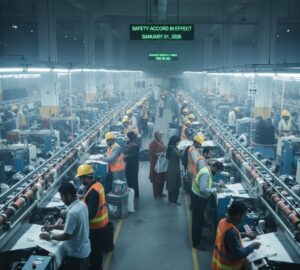
Termination from service refers to the cessation of an employee’s employment by the employer. Under Pakistani labour laws, termination must be:
- Lawful
- Justified
- In accordance with due process
Unlawful termination may entitle the employee to reinstatement, back benefits, or compensation, as determined by the Labour Court.
Laws Governing Termination from Service in Pakistan
Termination of employment is governed by several labour statutes, including:
- Industrial Relations Act, 2012
- Standing Orders Ordinance, 1968
- Shops and Establishments Acts (Provincial)
- Payment of Wages Act, 1936
- Provincial labour rules and regulations
Proper interpretation of these laws requires assistance from expert labour lawyers in Karachi.

Types of Termination under Labour Laws
1. Termination Simpliciter
Termination without assigning any reason, permissible only when it complies with Standing Orders and notice requirements.
2. Termination for Misconduct
Occurs due to alleged misconduct such as insubordination, negligence, or dishonesty. A lawful inquiry is mandatory before termination.
3. Retrenchment
Termination due to redundancy, downsizing, or closure of business, subject to statutory benefits and notice.
4. Forced Resignation
Where an employee is compelled to resign under pressure. Such resignation may be challenged as illegal termination.
Employee Rights upon Termination
An employee has the following rights under labour laws:
- Right to written notice or pay in lieu thereof
- Right to a fair domestic inquiry (in misconduct cases)
- Right to gratuity and other terminal benefits
- Right to challenge illegal termination before Labour Court
- Right to reinstatement or compensation
Protection of these rights is best ensured by consulting an experienced lawyer in Karachi specializing in labour law.
When is Termination Illegal?
Termination may be declared illegal if:
- No show-cause notice was issued
- No inquiry was conducted
- Principles of natural justice were violated
- Termination was discriminatory or mala fide
- Labour laws and Standing Orders were not followed
In such cases, Labour Courts often grant relief in favor of employees.
Procedure to Challenge Termination in Labour Court
Step 1: Issuance of Grievance Notice
The aggrieved employee must issue a grievance notice to the employer within the prescribed time.
Step 2: Filing Application before Labour Court
If the dispute is not resolved, an application is filed before the competent Labour Court through a labour lawyer in Karachi.
Step 3: Written Statements and Evidence
Both parties submit pleadings and evidence. Proper documentation and legal arguments play a decisive role.
Step 4: Final Arguments and Decision
After hearing arguments, the Labour Court passes an order which may include reinstatement or compensation.
Remedies Available to Employees
Labour Courts may grant:
- Reinstatement with back benefits
- Lump sum compensation
- Payment of outstanding dues
- Correction of service record
The nature of relief depends on facts, length of service, and conduct of parties.
Employer Responsibilities and Legal Compliance
Employers must ensure:
- Compliance with Standing Orders
- Proper inquiry before termination
- Timely payment of dues
- Lawful documentation
Failure to comply may expose employers to litigation and penalties.
Common Mistakes in Termination Cases
- Terminating employees without inquiry
- Ignoring grievance notices
- Poor documentation
- Delayed legal response
Such mistakes weaken the employer’s defense before Labour Courts.
Why Choose MAJ Legal for Labour Law Matters?
MAJ Legal is recognized as a trusted law firm in Karachi, offering professional services through:
- Experienced lawyers in Karachi
- Expert labour lawyers in Karachi
- Dedicated litigation and advisory support
We represent both employees and employers in:
- Termination from service cases
- Labour Court litigation
- Employment contracts and compliance
- Industrial disputes and grievances
Conclusion
Termination from service must strictly follow Pakistani labour laws. Whether you are an employee facing unlawful dismissal or an employer seeking lawful compliance, timely legal advice is critical.
For effective representation and reliable legal guidance, consult MAJ Legal, one of the best law firms in Karachi, providing services through experienced and expert lawyers in Karachi.