Ehteram-e-Ramazan Ordinance in Pakistan 1981 – Legal Provisions, Obligations, and Exemptions
A Detailed Legal Overview by MAJ Legal Karachi
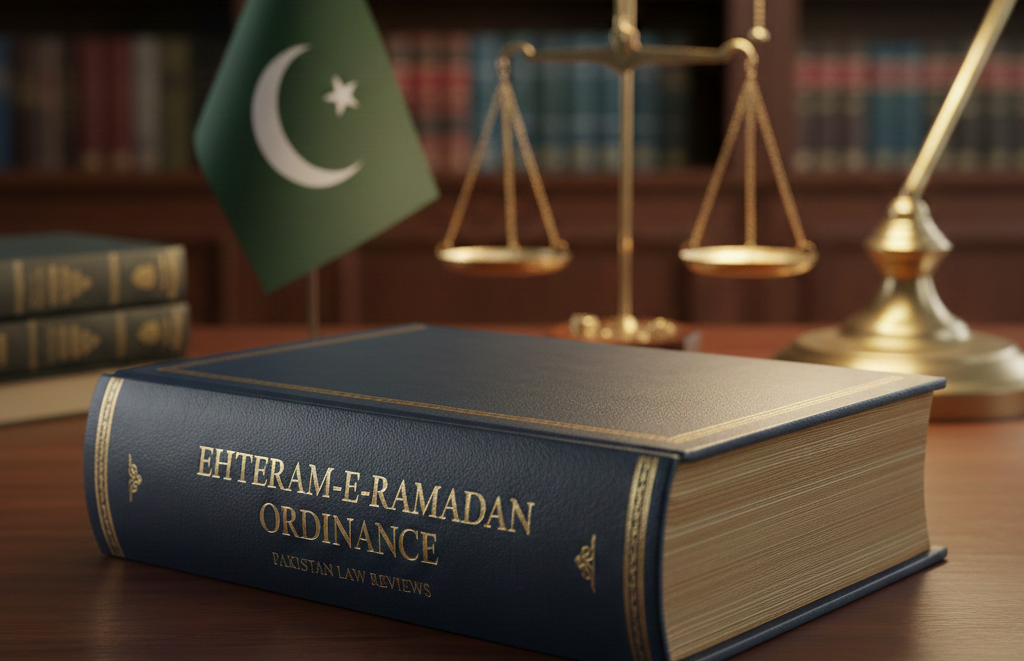
The holy month of Ramadan holds profound religious and cultural significance in Pakistan. In order to maintain respect for the sanctity of the fasting month, the Government enacted the Ehteram-e-Ramadan Ordinance, 1981 (formally known as the Ehteram-e-Ramazan Ordinance). This law regulates public behavior during fasting hours and imposes certain restrictions on eating, drinking, and business operations in public places.
While the Ordinance is widely known, many citizens and business owners are not fully aware of its legal scope, penalties, and exemptions. This article provides a comprehensive legal explanation, prepared by MAJ Legal, recognized as a best law firm in Karachi, supported by some of the best lawyers in Karachi with experience in constitutional and criminal law matters.
Purpose of the Ehteram-e-Ramadan Ordinance
The primary objective of the Ordinance is to preserve public respect for the month of Ramadan by prohibiting public eating, drinking, and certain entertainment activities during fasting hours. The law does not compel individuals to fast; rather, it regulates public conduct to ensure that those who are observing the fast are not publicly confronted with eating or drinking.
The Ordinance applies throughout Pakistan, including Sindh, and violations may result in fines or imprisonment.
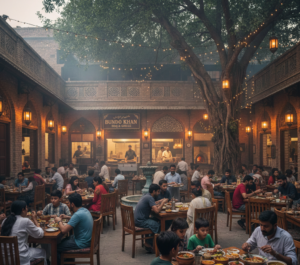
Prohibition on Eating and Drinking in Public
Under the Ordinance, no person is allowed to eat, drink, or smoke publicly during fasting hours in Ramadan. This includes public places such as:
-
Streets and public roads
-
Markets and shopping centers
-
Government offices
-
Public transport
-
Restaurants and hotels
Restaurants and food outlets are generally required to remain closed during fasting hours unless they qualify under specific exemptions.
Violation of these provisions may lead to legal action, including arrest and penalties under the law.
Restrictions on Business and Entertainment
The Ordinance also regulates certain entertainment activities during fasting hours. Cinemas, theatres, and similar public entertainment venues are restricted from operating during the day in Ramadan. Public display of eating or serving food openly during fasting hours is considered an offence.
Business owners are advised to seek proper legal understanding to avoid unintended violations. Consulting a best law firm in Karachi, such as MAJ Legal, ensures compliance with applicable laws and avoids unnecessary penalties.

Penalties for Violation
The Ordinance provides for:
-
Imprisonment
-
Monetary fines
-
Closure of premises in certain cases
Law enforcement authorities are empowered to take action against individuals or businesses violating the provisions. However, procedural safeguards under criminal law must be observed.
If a person believes that enforcement has been excessive or unlawful, they may seek legal remedy through experienced legal counsel. Best lawyers in Karachi often handle such cases involving criminal and constitutional rights.
Important Exemptions under the Ordinance
The law recognizes that not all individuals are required to fast and therefore provides exemptions. The following categories are generally exempt:
-
Non-Muslims
-
Travelers (Musafirs)
-
Sick individuals
-
Pregnant or nursing women
-
Elderly persons unable to fast
Certain facilities such as hospitals, airports, railway stations, and designated canteens may operate under regulated conditions to serve exempt individuals.
The key distinction is that the Ordinance prohibits public display of eating or drinking, not the private consumption by those who are lawfully exempt.
Application in Modern Context
In recent years, enforcement practices have evolved, and authorities often regulate businesses through administrative circulars and local notifications. However, the core provisions of the Ordinance remain in force.
There have been public debates regarding individual freedoms, constitutional protections, and religious respect. Courts generally interpret the Ordinance in light of constitutional rights, ensuring that enforcement does not exceed legal limits.
Legal clarity becomes essential, particularly for business owners, multinational companies, and hospitality services operating during Ramadan.
Legal Advice for Businesses and Individuals
Businesses should:
-
Clearly understand operational restrictions during fasting hours
-
Ensure compliance with government notifications
-
Avoid public display of food service
-
Train staff regarding legal obligations
Individuals facing legal action under the Ordinance should seek immediate legal advice. Proper legal representation ensures protection of rights under criminal procedure and constitutional safeguards.
MAJ Legal, widely regarded as a best law firm in Karachi, provides advisory and litigation services in matters involving regulatory compliance, criminal defence, and constitutional issues. With some of the best lawyers in Karachi, the firm ensures that both individuals and businesses receive accurate legal guidance.
Conclusion
The Ehteram-e-Ramadan Ordinance reflects Pakistan’s commitment to respecting the sanctity of Ramadan while balancing exemptions for those not obligated to fast. Awareness of its provisions helps prevent misunderstandings and legal complications.
For professional legal assistance, compliance advisory, or defence representation, consult MAJ Legal, recognized among the best law firms in Karachi, offering trusted services through experienced and knowledgeable legal professionals.
Frequently Asked Questions (FAQs) – Ehteram-e-Ramadan Ordinance in Pakistan
1. What is the Ehteram-e-Ramadan Ordinance in Pakistan?
The Ehteram-e-Ramadan Ordinance, 1981 is a federal law that regulates public behavior during the month of Ramadan. It prohibits eating, drinking, and smoking in public during fasting hours and imposes restrictions on certain businesses and entertainment activities to maintain respect for the sanctity of Ramadan.
2. Does the law force everyone to fast?
No. The Ordinance does not compel individuals to fast. It only restricts public display of eating, drinking, or smoking during fasting hours. Those who are exempt under Islamic principles are not required to fast, but public conduct remains regulated.
3. Are non-Muslims bound by this Ordinance?
Non-Muslims are exempt from fasting obligations. However, public display of eating or drinking during fasting hours may still fall under regulatory restrictions. Designated areas may be permitted for exempt individuals.
4. Can restaurants operate during Ramadan?
Restaurants are generally required to remain closed during fasting hours. However, certain facilities such as hotels, airports, railway stations, and hospitals may operate under specific permissions. Local administrative notifications may further regulate operations. Business owners are advised to consult a best law firm in Karachi, such as MAJ Legal, for compliance guidance.
5. What are the penalties for violating the Ordinance?
Violation may result in fines, imprisonment, or other legal consequences depending on the nature of the offence. Authorities may take action against individuals or businesses found in breach of the law.
6. Are sick persons and travelers exempt?
Yes. Individuals who are sick, traveling (Musafir), elderly, pregnant, or nursing are exempt from fasting under Islamic principles. However, public conduct restrictions may still apply.
7. Can someone challenge wrongful enforcement of the Ordinance?
Yes. If enforcement is excessive, discriminatory, or unlawful, a person may seek legal remedy through the courts. Constitutional and criminal safeguards remain available. Consulting best lawyers in Karachi ensures proper legal protection.
8. Does the Ordinance apply to private homes?
No. The law regulates public behavior. Private consumption within homes is not covered under the Ordinance.
9. Can businesses seek legal advice for Ramadan compliance?
Yes. Corporate entities, restaurants, and entertainment venues often seek advisory services from firms such as MAJ Legal, recognized as a best law firm in Karachi, to ensure smooth and lawful operations during Ramadan.
10. How can MAJ Legal assist in matters related to the Ordinance?
MAJ Legal provides legal advisory and representation services in regulatory compliance, criminal defence, and constitutional matters. With some of the best lawyers in Karachi, the firm ensures professional handling of legal issues arising during Ramadan.