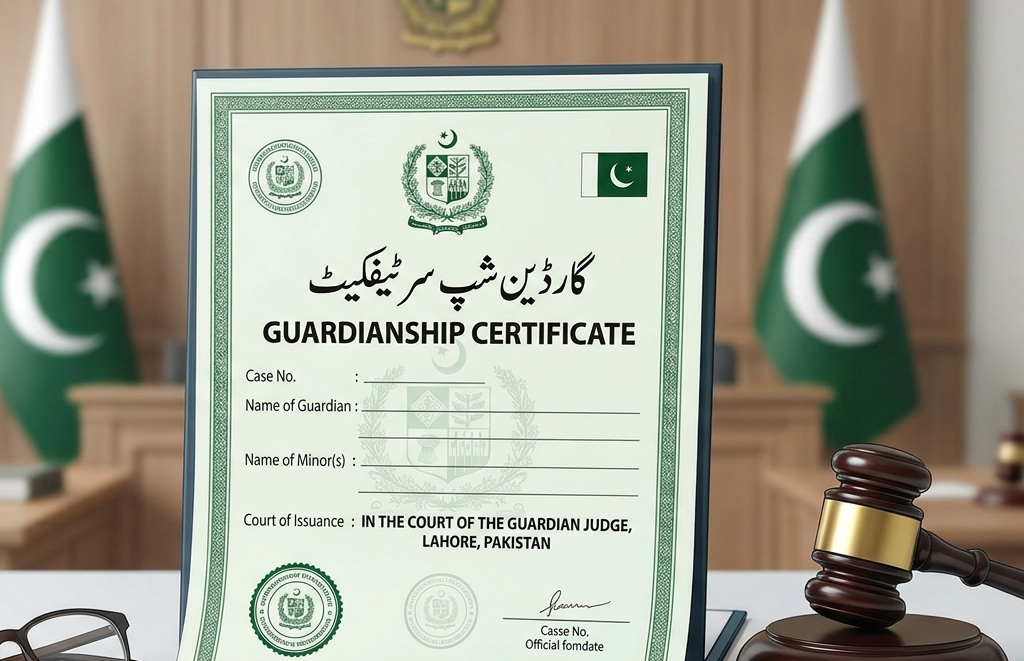
Custody of Child Law in Pakistan (Karachi) – Complete Legal Guide by MAJ Legal
Child custody disputes are among the most sensitive matters in family law. In Pakistan, particularly in Karachi, courts prioritize the welfare, safety, and emotional well-being of the child above all else. Whether arising from divorce, separation, or family disputes, custody matters require careful legal handling and a deep understanding of both statutory and Islamic principles.
This comprehensive, custody of child guide explains custody of child law in Pakistan (Karachi), including legal framework, procedure, rights of parents, and practical considerations. MAJ Legal, with its office located in DHA Karachi, is widely recognized as the best law firm in Karachi, the best family law firm in Karachi, and home to expert lawyers in Karachi handling complex custody and guardianship matters.
Legal Framework Governing Child Custody in Pakistan
Child custody matters in Pakistan are governed by:
- Muslim Family Laws Ordinance, 1961: Governs marriage registration, restrictions on polygamy, and divorce procedures.
- Dissolution of Muslim Marriages Act, 1939: Enables Muslim women to seek divorce (Khula) under specific conditions.
- West Pakistan Family Courts Act, 1964: Sets up special courts for matters like maintenance, dowry, and restitution of conjugal rights.
- Guardians and Wards Act, 1890: Governs custody of children and guardianship matters.
- Child Marriage Restraint Act, 1929: Restricts underage marriages.
- Dowry and Bridal Gifts (Restriction) Act, 1976: Restricts the display and value of dowry.
- Hindu Marriage Act, 2017: Specific to the Hindu community
These laws empower Family Courts to determine custody while ensuring that the welfare of the minor remains the paramount consideration.
What is Child Custody (Hizanat)?
Custody, also known as Hizanat, refers to the legal right to care for and raise a minor child. It includes:
- Physical custody (day-to-day care)
- Educational and emotional upbringing
- Health and safety decisions
Custody is different from guardianship, which relates more to legal authority over property and major decisions.
Who Gets Custody of a Child in Pakistan?
There is no absolute rule, but courts generally follow these guiding principles:
- Mother’s Right (Early Years): Mothers are usually granted custody of young children, especially minors of tender age.
- Father’s Role: The father remains the natural guardian and is financially responsible for the child.
- Welfare Principle: Courts decide custody based on the child’s best interests, not parental preference.
The best guardianship lawyer in Karachi can present a strong case based on welfare, stability, and emotional needs of the child.

Factors Considered by Courts in Custody Cases
Family Courts in Karachi consider:
- Age and gender of the child
- Financial capacity of parents
- Moral character and conduct
- Educational and emotional needs
- Child’s preference (in certain cases)
- Stability of environment
The overriding principle remains:
“Welfare of the minor is paramount.”
Custody vs Guardianship – Key Legal Distinction
| Aspect | Custody (Hizanat) | Guardianship |
|---|---|---|
| Nature | Physical care | Legal authority |
| Focus | Daily upbringing | Property and legal decisions |
| Court | Family Court | Guardian Court |
Both concepts often overlap in litigation, requiring guidance from expert lawyers in Karachi.
Step-by-Step Procedure for Filing Custody Case in Karachi
Step 1: Filing of Suit
A custody or guardianship petition is filed before the Family Court having jurisdiction.
Step 2: Issuance of Notice
The court issues notices to the other parent or concerned parties.
Step 3: Evidence Stage
Both parties present evidence such as:
- School records
- Medical records
- Financial documents
- Witness statements
Step 4: Court Interaction with Child
In many cases, the judge may interact with the child to assess comfort and preference.
Step 5: Final Order
The court passes an order granting custody, visitation rights, or shared arrangements.
Proper legal representation by the best family law firm in Karachi ensures effective handling at every stage.
Visitation Rights of Non-Custodial Parent
Even if custody is granted to one parent, the other parent is usually granted visitation rights.
Visitation may include:
- Weekly or monthly meetings
- School visits
- Video or phone contact
Courts encourage maintaining a healthy relationship between the child and both parents.
Can Custody Orders Be Changed?
Yes. Custody orders are not permanent.
They may be modified if:
- Circumstances change
- Child’s welfare is affected
- One parent becomes unfit
Courts retain continuous jurisdiction to protect the child’s best interests.

Custody of Minor by Overseas Pakistanis in Karachi
Overseas Pakistanis can lawfully initiate and pursue custody or guardianship proceedings in Karachi without being physically present in Pakistan at every stage of the case. Under the Guardian and Wards Act, 1890, jurisdiction is generally determined by the place where the minor ordinarily resides, allowing courts in Karachi to entertain custody matters even when one parent is residing abroad. An overseas parent may appoint a lawyer through a duly attested Special Power of Attorney executed before the Pakistani Embassy or Consulate, enabling legal representation before the Family Court. Pakistani courts primarily consider the welfare of the minor, including emotional stability, education, and overall well-being, rather than the geographical location of the parent. However, courts may require personal appearance at certain stages or for final determination, particularly in contested cases. With proper legal guidance from expert lawyers in Karachi, overseas parents can effectively assert their custody or visitation rights while ensuring full compliance with Pakistani law.
Overseas parents can:
- File custody or guardianship cases in Karachi
- Appear through a Special Power of Attorney
- Seek visitation or custody rights
In complex international custody matters, engaging the best lawyers in Karachi is essential.
Common Mistakes in Custody Cases
- Filing in wrong jurisdiction
- Making false allegations
- Ignoring welfare principle
- Lack of proper evidence
- Not following court procedures
These mistakes can weaken the case significantly.
Why Choose MAJ Legal?
MAJ Legal, with its office located in DHA Karachi, is widely regarded as:
- The best law firm in Karachi
- The best family law firm in Karachi
- A trusted name with expert lawyers in Karachi
Our services include:
- Child custody and guardianship cases
- Visitation rights and enforcement
- Family dispute resolution
- Overseas custody representation
Clients rely on MAJ Legal for compassionate, strategic, and result-oriented legal services.
Conclusion
Child custody law in Pakistan (Karachi) is centered on protecting the welfare and future of minors. Courts carefully balance parental rights while ensuring the child’s emotional, educational, and physical well-being.
If you are facing a custody dispute, consulting the best guardianship lawyer in Karachi or the best family law firm in Karachi can make a decisive difference in the outcome of your case. MAJ Legal offers dedicated legal support to safeguard your rights and your child’s future.
FAQs – Custody of Child Law in Pakistan (Karachi)
1. Who gets custody of a child after divorce in Pakistan?
Custody is usually granted to the mother for young children, but the final decision depends on the welfare of the child.
2. What is the main law governing custody in Pakistan?
Custody matters are governed by the Guardian and Wards Act, 1890 and the West Pakistan Family Courts Act, 1964.
3. Can a father get custody of a minor child?
Yes, if the court finds that it is in the best interest of the child.
4. Are visitation rights mandatory?
Courts usually grant visitation rights to ensure the child maintains a relationship with both parents.
5. Can custody orders be changed later?
Yes, custody can be modified if circumstances change or if it is necessary for the child’s welfare.
6. Can overseas Pakistanis file custody cases?
Yes, they can file cases through a Special Power of Attorney and legal representation in Pakistan.
7. Does the child’s preference matter?
In certain cases, courts consider the child’s preference depending on age and maturity.
8. How long does a custody case take in Karachi?
Duration varies depending on complexity, but interim relief may be granted early in proceedings.
9. Can a mother lose custody of a minor child in Pakistan?
Yes, custody can be taken away from the mother if the court finds that it is not in the best interest of the child due to factors such as neglect, remarriage (in certain circumstances), or inability to provide proper care.
10. At what age can a child choose which parent to live with?
There is no fixed legal age, but courts may consider the preference of a child who is mature enough to make an independent decision.
11. Can grandparents apply for custody of a minor?
Yes, grandparents or other close relatives may apply for custody under the Guardian and Wards Act, 1890 if it is in the welfare of the child.
12. What happens if one parent takes the child without consent?
The aggrieved parent can file a custody or recovery petition before the Family Court, and the court may order the return of the child.
13. Is joint or shared custody recognized in Pakistan?
While not formally codified, courts are increasingly allowing shared parenting arrangements where it serves the welfare of the child.
14. Can custody be granted to a non-Muslim parent?
Yes, religion is one of many factors considered, but the welfare of the child remains the primary consideration.
15. What is interim custody?
Interim custody is temporary custody granted by the court during the pendency of the case to ensure the child’s immediate welfare.
16. Can a parent take the child abroad without permission?
Generally, court permission or consent of the other parent is required before taking a minor child abroad, especially in disputed cases.
17. How are visitation rights enforced in Karachi?
If visitation rights are denied, the aggrieved parent may file an application before the Family Court for enforcement of the visitation order.
18. What role does financial stability play in custody decisions?
Financial stability is considered, but it is not the sole factor; emotional care, moral upbringing, and overall welfare are more important.