Custody of Minor in Pakistan – A Complete Legal Guide by Expert Family Lawyers
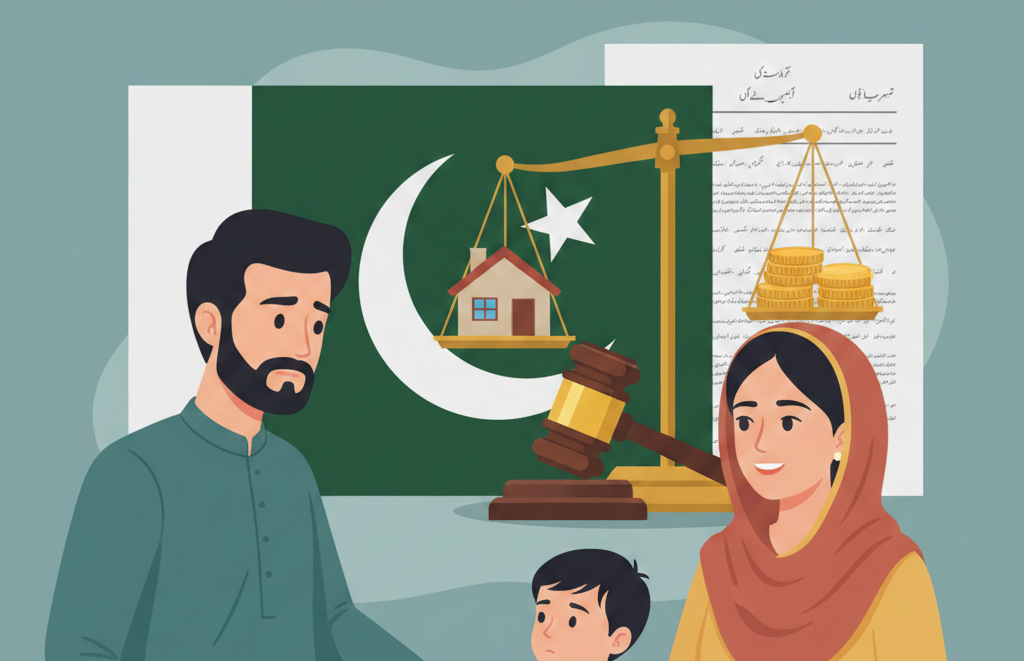
Custody of a minor is one of the most sensitive and important matters under Pakistani family law. Disputes relating to child custody usually arise after divorce, separation, or the death of one parent. Pakistani courts prioritize the welfare and best interest of the minor above all other considerations. Understanding the legal framework governing custody of minors is essential for parents seeking lawful and fair custody arrangements.
This detailed guide is prepared by MAJ Legal, recognized as one of the best law firms in Karachi, providing expert services through the best family lawyers in Karachi and expert family lawyers in Karachi.
Meaning of Custody of Minor
Custody of a minor refers to the legal right and responsibility to care for, control, and raise a child. It includes:
- Physical custody (day-to-day care)
- Educational and moral upbringing
- Health and welfare decisions
Custody does not always mean guardianship. In many cases, custody and guardianship may vest in different persons depending on law and circumstances.
Paramount Consideration: Welfare of the Minor
Under Pakistani law, the welfare of the minor is the supreme consideration in custody cases. Courts consider:
- Age and gender of the child
- Emotional and physical well-being
- Educational needs
- Moral and religious upbringing
- Financial capacity of parents
- Child’s preference (if of sufficient age)
No parent has an absolute right to custody if it is contrary to the child’s welfare.
Custody under Islamic Law (Hizanat)
Under Islamic principles of Hizanat:
- Mother has preferential right of custody during tender age
- Custody is subject to good conduct and capability
Custody Age Limits (General Rule)
- Male child: Mother up to 7 years
- Female child: Mother until puberty
However, Pakistani courts may depart from these rules if welfare of the minor demands otherwise.
Who Can File a Custody Case?
A custody petition may be filed by:
- Father
- Mother
- Legal guardian
- Grandparents (in special circumstances)
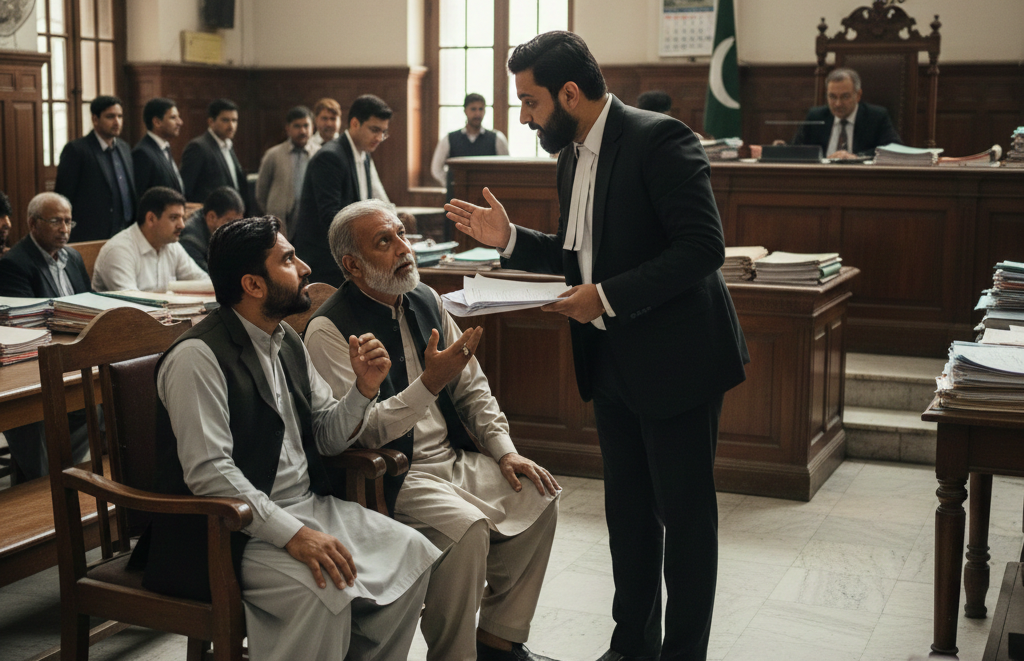
Cases are filed before the Family Court having territorial jurisdiction, usually where the minor resides.

Procedure for Filing Custody Case in Pakistan
Step 1: Filing of Custody Petition
A custody application is filed under the Guardians and Wards Act, 1890, through a best family lawyer in Karachi.
Step 2: Issuance of Notices
The court issues notices to the opposite party and fixes a hearing date.
Step 3: Interim Custody and Visitation Rights
The court may grant interim custody or visitation rights pending final decision.
Step 4: Recording of Evidence
Both parties present documentary and oral evidence to support their claims.
Step 5: Interaction with the Minor
Courts often interact with the minor to assess comfort, preference, and welfare.
Step 6: Final Decision
Based on evidence and welfare considerations, the court passes a custody order.
Visitation Rights of Non-Custodial Parent
Even if custody is granted to one parent, the other parent has visitation rights unless restricted for valid reasons. Courts ensure that the child maintains a healthy relationship with both parents.

Custody of Minor in Case of Divorce
After divorce:
- Mother usually retains custody during tender age
- Father remains legal guardian
- Maintenance responsibility lies with the father
Custody arrangements may be modified if circumstances change.
Custody of Minor for Overseas Pakistanis
Overseas parents can file custody or visitation cases through:
- Power of Attorney
- Representation by MAJ Legal, a best family law firm in Karachi
Courts carefully assess international relocation and travel concerns.
Modification and Enforcement of Custody Orders
Custody orders are not permanent. Courts may:
- Modify custody arrangements
- Enforce visitation rights
- Penalize non-compliance
Changes in circumstances such as remarriage, relocation, or neglect can justify modification.

Shared Parenting of Minor in Pakistan – An Evolving Family Law Concept
Shared parenting of a minor is an evolving concept in Pakistani family law, where courts are increasingly recognizing the importance of both parents remaining actively involved in a child’s upbringing after divorce or separation. Although Pakistani statutes do not expressly define shared parenting, Family Courts exercise powers under the Guardians and Wards Act, 1890 and the Family Courts Act, 1964 to frame flexible custody and visitation arrangements based on the welfare of the minor. Courts consider factors such as the child’s emotional and psychological well-being, education, age, parental cooperation, and living arrangements. Shared parenting may include extended visitation, holiday sharing, and joint decision-making in matters of education and health, provided it serves the best interest of the child. This progressive approach is effectively handled by MAJ Legal, recognized as one of the best family law firms in Karachi, with representation by the best family lawyers in Karachi and expert family lawyers in Karachi, widely regarded among the best lawyers in Karachi.
Common Mistakes in Custody Cases
- Using custody as a tool for revenge
- Violating court orders
- Coaching the child
- Filing cases without legal advice
These mistakes can negatively affect the outcome of custody proceedings.
Why Choose MAJ Legal for Custody Matters?
MAJ Legal is widely regarded as one of the best family law firms in Karachi, offering:
- Best family lawyers in Karachi
- Expert family lawyers in Karachi
- Compassionate and strategic legal representation
We handle:
- Child custody and visitation cases
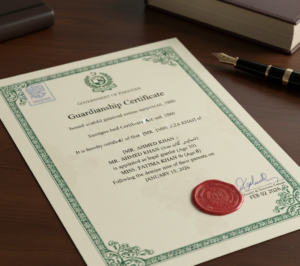
- Guardianship petitions
- Modification and enforcement of custody orders
- Cross-border and overseas custody disputes
Conclusion
Custody of a minor in Pakistan is decided solely on the principle of the child’s welfare. Parents must approach the court with honesty, responsibility, and proper legal guidance.
For reliable advice and effective representation, consult MAJ Legal, one of the best law firms in Karachi, home to the best lawyers in Karachi and expert family lawyers in Karachi, committed to protecting the rights and future of minors.