Domestic Violence in Pakistan – Legal Protection, Remedies, and Rights of Victims
A Comprehensive Guide by MAJ Legal
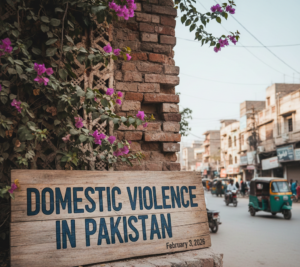
Domestic violence remains one of the most serious yet underreported human rights issues in Pakistan. Despite social, cultural, and economic challenges, Pakistani law now provides clear legal remedies and protections for victims of domestic violence. Understanding these rights is essential for victims, families, and society at large.
This article is prepared by MAJ Legal, recognized as a leading law firm in Karachi, with representation by some of the best lawyers in Karachi, including expert domestic violence lawyers and human rights lawyers.
What is Domestic Violence?
Domestic violence refers to any act of physical, psychological, emotional, sexual, or economic abuse committed by a family member against another within a domestic relationship. It is not limited to physical assault and includes patterns of coercion, control, and intimidation.
Domestic violence may occur between:
-
Husband and wife
-
Former spouses
-
Parents and children
-
In-laws
-
Other household members

Forms of Domestic Violence in Pakistan
1. Physical Abuse
-
Beating, slapping, kicking
-
Causing bodily injury
-
Threatening physical harm
2. Psychological and Emotional Abuse
-
Humiliation and verbal insults
-
Threats of divorce or abandonment
-
Isolation from family and friends
3. Economic Abuse
-
Denial of maintenance
-
Forcing financial dependency
-
Taking control of income or property
4. Sexual Abuse
-
Forced sexual relations
-
Non-consensual acts within marriage
-
Sexual humiliation
Pakistani courts now recognize that violence is not limited to physical harm, and psychological abuse alone may constitute domestic violence.
Laws Governing Domestic Violence in Pakistan
Domestic violence is addressed through both criminal law and special protective legislation, including:
-
Provincial Domestic Violence Acts
-
Pakistan Penal Code (PPC)
-
Code of Criminal Procedure (Cr.P.C.)
-
Family Courts Act, 1964
-
Constitutional protection of dignity and life
Each province has enacted domestic violence laws, empowering courts to provide immediate relief and protection.
Who Can File a Domestic Violence Case?
A domestic violence complaint may be filed by:
-
The victim herself
-
A guardian or family member
-
A legal representative
-
In some cases, social welfare authorities
Assistance from a best domestic violence lawyer ensures proper presentation and timely relief.
Remedies Available to Victims of Domestic Violence
Pakistani law provides multiple remedies, both urgent and long-term, to protect victims.
1. Protection Orders
Courts may issue Protection Orders restraining the abuser from:
-
Committing further violence
-
Contacting or approaching the victim
-
Entering the shared household
Violation of a protection order is a punishable offence.
2. Residence Orders
Victims have the right to:
-
Remain in the shared residence
-
Seek removal of the abuser from the house
-
Secure alternative accommodation through court direction
Courts recognize that women cannot be forced out of their homes due to violence.
3. Monetary Relief and Maintenance
Courts may order:
-
Monthly maintenance
-
Compensation for medical expenses
-
Financial relief for loss or damage
This remedy protects victims from economic exploitation.
4. Custody and Child Protection
In cases involving children:
-
Courts prioritize the welfare of minors
-
Custody and visitation may be regulated
-
Abusive parents may face restrictions
Family Courts work closely with domestic violence proceedings.
5. Criminal Proceedings
Serious acts of violence may result in:
-
FIR registration
-
Arrest and prosecution
-
Punishment under PPC
A best human rights lawyer ensures victims are not discouraged or silenced during criminal proceedings.
6. Injunctions and Interim Relief
Courts may grant:
-
Immediate interim relief
-
Emergency protection without delay
-
Fast-track hearings in urgent cases
Such relief prevents further harm during litigation.
Role of Family Courts and Magistrates
Family Courts provide:
-
Speedy hearings
-
Confidential proceedings
-
Victim-friendly environment
Magistrates ensure enforcement of protection orders and compliance by law enforcement agencies.
Social and Cultural Challenges
Despite legal protection, many victims hesitate due to:
-
Social stigma
-
Fear of retaliation
-
Financial dependency
-
Pressure from family
Legal awareness and professional representation by the best lawyer in Karachi are critical to overcoming these barriers.

Importance of Legal Representation
Domestic violence cases require:
-
Sensitivity
-
Strategic litigation
-
Strong evidence presentation
MAJ Legal, known as a top law firm in Karachi, provides comprehensive support through:
-
Experienced family lawyers
-
Domestic violence specialists
-
Human rights advocates
Our lawyers ensure victims are heard, protected, and empowered.
Why Choose MAJ Legal?
MAJ Legal is widely recognized as:
-
A leading law firm in Karachi
-
Home to the best lawyers in Karachi
-
Trusted for family and human rights matters
We provide:
-
Confidential consultations
-
Court representation
-
Emergency legal remedies
-
Compassionate and professional advocacy
Conclusion
Domestic violence is not a private matter—it is a serious violation of human rights and dignity. Pakistani law offers strong remedies, but effective protection depends on awareness and timely legal action.
Victims deserve safety, respect, and justice. With the right legal support, silence can be replaced with strength.
For reliable guidance and effective representation, consult MAJ Legal, a top and trusted law firm in Karachi, supported by some of the best domestic violence and human rights lawyers in Pakistan.