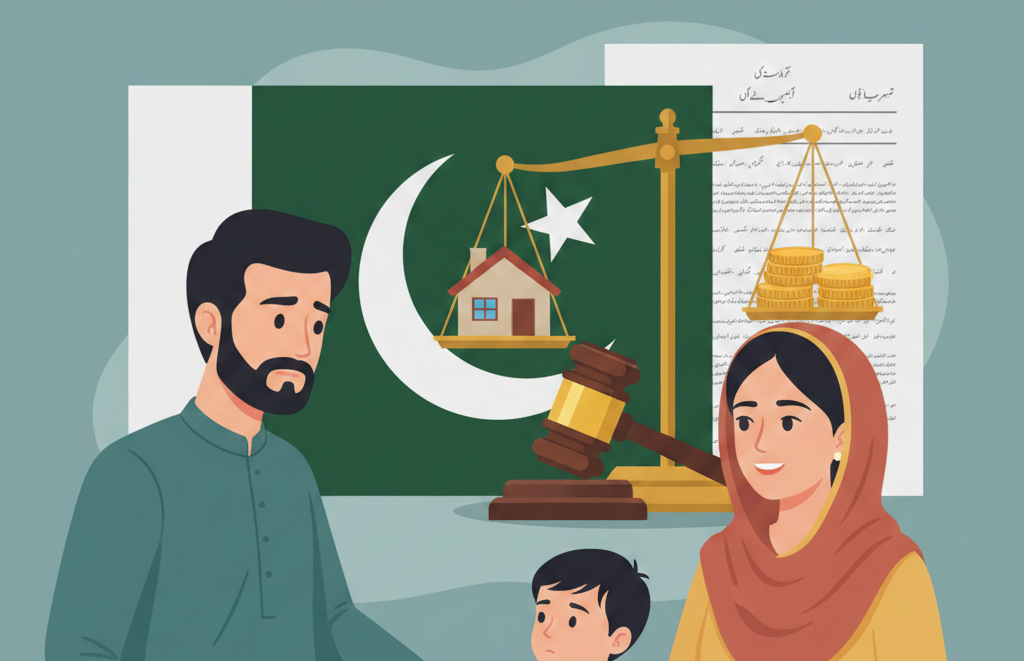

How to Make a Gift in Pakistan (Karachi) Complete Legal Guide
Making a gift in Pakistan is a common and legally recognized method of transferring property or assets without consideration. Gifts are frequently made between parents and children, spouses, or close relatives to avoid future disputes and ensure smooth succession. However, to be legally valid, a gift must strictly comply with Pakistani law.
This comprehensive guide explains how to make a gift in Pakistan, the legal requirements, documentation, and common pitfalls, with professional insight from MAJ Legal, widely regarded as the best law firm in Karachi for property and civil matters.
What is a Gift Under Pakistani Law?
A gift is known as Hiba under Islamic law, which is applicable to Muslims in Pakistan. The legal framework governing gifts includes:
- Muhammadan Law (for Muslims)
- Transfer of Property Act, 1882 (for non-Muslims)
- Registration Act, 1908
- Stamp Act (provincial)
A gift is defined as the voluntary transfer of ownership of property by one person (the Donor) to another (the Donee) without any monetary consideration.
Essential Ingredients of a Valid Gift (Hiba)
For a gift to be valid under Islamic law, three essential elements must be present:
1. Declaration by the Donor
The donor must clearly express the intention to gift the property during their lifetime, without coercion or fraud.
2. Acceptance by the Donee
The donee must accept the gift, either expressly or impliedly. Acceptance can be made by a guardian if the donee is a minor.
3. Delivery of Possession
Ownership must be transferred through delivery of possession. This may be actual or constructive, depending on the nature of the property.
Failure to fulfill any of these elements may render the gift invalid.
Types of Gifts in Pakistan
1. Gift of Immovable Property
This includes houses, flats, plots, and agricultural land. Such gifts must comply with registration and stamp requirements.
2. Gift of Movable Property
Movable assets such as cash, jewelry, vehicles, or shares can also be gifted and usually do not require registration, though documentation is recommended.
3. Gift to Legal Heirs
Parents often gift property to children. While lawful, unequal gifts may later be challenged, making legal advice from an experienced lawyer in Karachi essential.
Legal Procedure to Make a Gift of Property in Pakistan
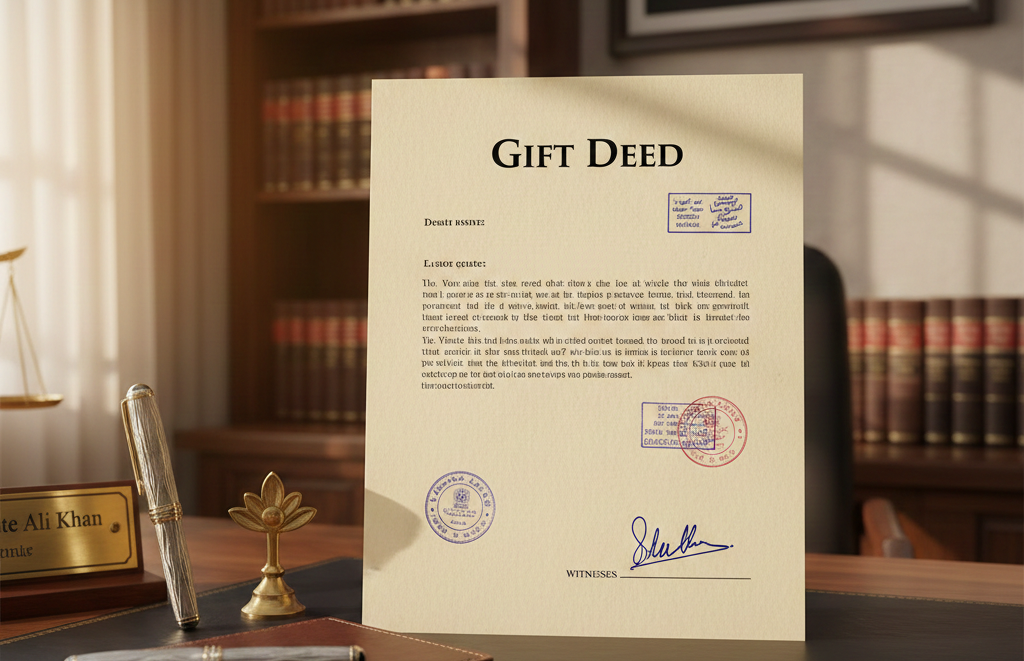
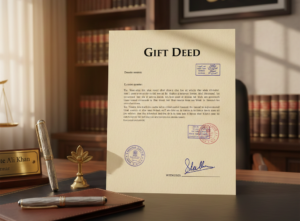
Step 1: Drafting the Gift Deed
A Gift Deed must be drafted clearly stating:
- Details of donor and donee (CNIC, address)
- Complete description of the property
- Statement of free will and intention
- Acceptance by the donee
- Transfer of possession
Professional drafting by the best lawyer in Karachi minimizes legal risk.
Step 2: Stamp Duty
The gift deed must be executed on the appropriate stamp paper, as per provincial stamp laws. Stamp duty for gifts between close family members is often concessional.
Step 3: Registration of Gift Deed
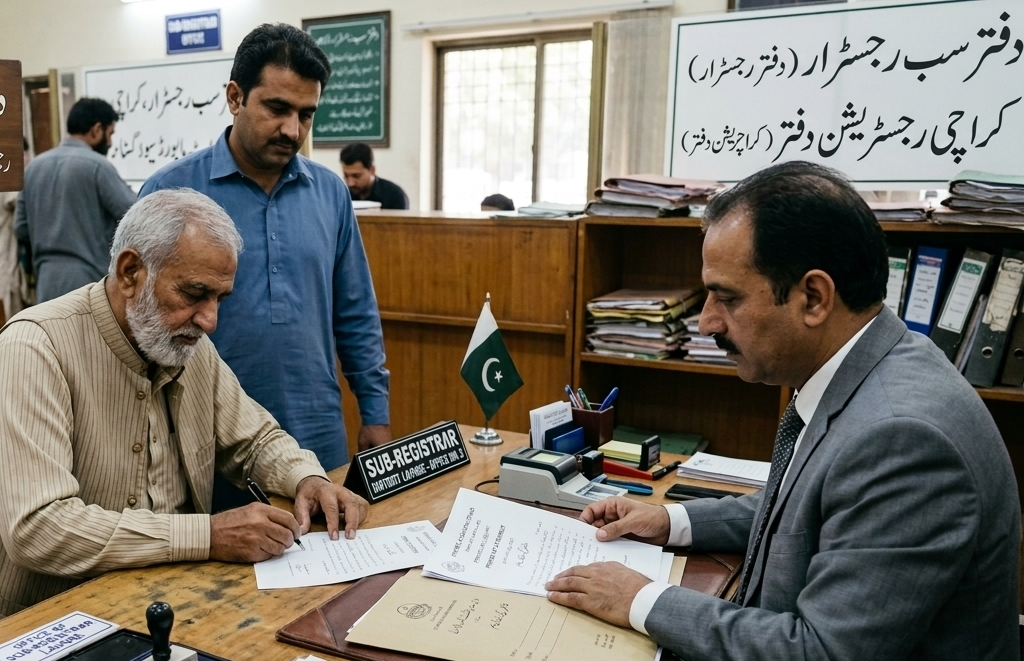
For immovable property, registration with the relevant Sub-Registrar is mandatory under the Registration Act, 1908. Both donor and donee must appear before the Registrar, along with witnesses.
Step 4: Mutation in Revenue Records
After registration, mutation (Intiqal) must be carried out in revenue or housing authority records to reflect the donee as the lawful owner.
Gift by Overseas Pakistanis
Overseas Pakistanis can make gifts through:
- A registered Power of Attorney
- Gift deed attested by Pakistani Embassy or Consulate
- Verification from Ministry of Foreign Affairs (MOFA)
MAJ Legal regularly assists overseas clients and is recognized as one of the best law firms in Karachi for cross-border property transactions.
Can a Gift Be Revoked?
Under Islamic law, a gift may be revoked before delivery of possession, except in certain relationships (e.g., gifts between spouses). Once possession is transferred and the gift is registered, revocation becomes extremely difficult and usually requires a court order.
Common Mistakes to Avoid
- Failure to prove delivery of possession
- Non-registration of gift deed for immovable property
- Ambiguous or defective drafting
- Gifts made under pressure or undue influence
- Ignoring rights of other legal heirs
Such mistakes can lead to prolonged litigation.
Why Choose MAJ Legal?
MAJ Legal offers end-to-end legal services for gifting property in Pakistan, including drafting, registration, mutation, and dispute resolution. Our team includes some of the most experienced lawyers in Karachi, ensuring each transaction is legally sound and future-proof.
Clients trust MAJ Legal as the best law firm in Karachi due to:
- Strong command over property and succession laws
- Expertise in Islamic and civil legal frameworks
- Dedicated services for overseas Pakistanis
- Transparent and client-focused legal solutions
Conclusion
Making a gift in Pakistan is a lawful and effective way to transfer ownership, provided all legal requirements are fulfilled. Proper drafting, registration, and delivery of possession are critical to ensure validity and prevent disputes.
For professional guidance, consult MAJ Legal, where you will find the best lawyer in Karachi and a reliable legal team committed to protecting your property rights.
Frequently Asked Questions (FAQs) – How to Make a Gift in Pakistan
1. Is registration of a gift deed mandatory in Pakistan?
Registration is mandatory for gifts of immovable property under the Registration Act, 1908. Without registration, the transfer may not be legally enforceable. For movable property, registration is not compulsory but proper documentation is advisable.
2. Can a gift be made orally in Pakistan?
Under Islamic (Muhammadan) law, an oral gift (Hiba) is valid if declaration, acceptance, and delivery of possession are proven. However, written documentation and registration provide stronger legal protection and reduce the risk of disputes.
3. What are the essential requirements of a valid gift (Hiba)?
A valid gift requires a clear declaration by the donor, acceptance by the donee, and delivery of possession. If any of these elements is missing, the gift may be declared invalid.
4. Can a gift be made to a minor?
Yes. A gift may be made in favor of a minor through a natural or lawful guardian who accepts the gift on the minor’s behalf and takes possession accordingly.
5. Can a donor revoke a gift after making it?
A gift may be revoked before delivery of possession. Once possession is transferred and the gift is completed—especially if registered—revocation becomes difficult and may require court intervention. Gifts between certain close relatives, such as spouses, are generally not revocable.
6. Is stamp duty required on a gift deed?
Yes. Stamp duty must be paid according to provincial laws under the Stamp Act, 1899. In many cases, concessional rates apply for gifts between close family members.
7. Can an overseas Pakistani make a valid gift in Pakistan?
Yes. Overseas Pakistanis can execute a gift through a duly attested Power of Attorney or by signing a gift deed before the Pakistani Embassy or Consulate, subject to verification requirements.
8. What is mutation (Intiqal) and why is it important?
Mutation is the updating of ownership records in revenue or housing authority records after registration of the gift deed. Without mutation, the donee’s ownership may not be properly reflected in official records.
9. Can a gift be challenged in court?
Yes. A gift can be challenged on grounds such as lack of possession, fraud, coercion, undue influence, or defective documentation. Proper legal drafting significantly reduces the risk of litigation.
10. Is legal assistance necessary for making a gift?
While not legally mandatory, professional legal guidance ensures compliance with statutory requirements, Islamic principles, proper documentation, and future dispute prevention.
Disclaimer: This article is for general informational purposes only and does not constitute legal advice.