
Medical Negligence Law in Pakistan – Legal Remedies and Defence
Medical treatment is built on trust. When a patient walks into a hospital or clinic, they place their health—and often their life—into the hands of a doctor. Most medical professionals in Pakistan perform their duties with dedication and care. However, when mistakes occur due to negligence, the consequences can be devastating for patients and their families.
Medical negligence cases are emotionally sensitive and legally complex. Understanding your rights and the available legal remedies is essential. This comprehensive guide explains medical negligence law in Pakistan, available legal remedies for patients, and possible defences for doctors and hospitals. The article is prepared with professional insight from MAJ Legal, recognized as a best law firm in Karachi, supported by some of the best lawyers in Karachi experienced in civil litigation and healthcare disputes.
What is Medical Negligence?
Medical negligence occurs when a healthcare professional fails to exercise reasonable care and skill, resulting in injury, worsening of condition, or death of a patient. The law does not expect perfection from doctors; however, it requires that they meet the standard of care expected from a reasonably competent practitioner in similar circumstances.
Negligence may arise from:
-
Misdiagnosis or delayed diagnosis
-
Surgical errors
-
Wrong medication or dosage
-
Lack of informed consent
-
Failure to monitor patient condition
-
Improper post-operative care
In Pakistan, medical negligence claims are generally pursued under civil law, criminal law, and consumer protection laws, depending on the circumstances.
Legal Framework Governing Medical Negligence in Pakistan
Unlike some countries that have a separate medical malpractice statute, Pakistan addresses medical negligence through various legal provisions, including:
-
Tort law principles (law of damages)
-
Pakistan Penal Code (criminal negligence)
-
Consumer Protection Laws (in applicable provinces)
-
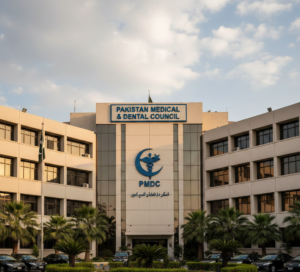
Pakistan Medical & Dental Council (PMDC) regulations
Civil claims focus on compensation, while criminal proceedings may arise in cases involving gross negligence leading to serious harm or death.
Essential Elements to Prove Medical Negligence
To succeed in a medical negligence case, the patient must generally prove:
-
Duty of Care – The doctor or hospital owed a legal duty to the patient.
-
Breach of Duty – The medical professional failed to meet the accepted standard of care.
-
Causation – The breach directly caused harm.
-
Damages – The patient suffered measurable injury or loss.
Expert medical evidence is usually required to establish that the standard of care was not met.
Legal Remedies Available to Patients
Victims of medical negligence in Pakistan have several legal options:
1. Civil Suit for Damages
A patient may file a civil suit seeking monetary compensation for:
-
Medical expenses
-
Pain and suffering
-
Loss of income
-
Permanent disability
-
Future medical costs
Courts may award damages depending on the severity of negligence and impact on the patient’s life.
2. Consumer Court Complaint
In certain cases, medical services may fall under consumer protection laws. Patients may approach Consumer Courts for speedy relief against deficient services.
3. Criminal Proceedings
If negligence amounts to criminal conduct—such as causing death by negligence—criminal proceedings may be initiated under the Pakistan Penal Code.
4. Complaint Before PMDC
Patients may file complaints before the Pakistan Medical & Dental Council against doctors for professional misconduct. Disciplinary action may include suspension or cancellation of license.
Because medical negligence cases involve technical evidence and procedural complexity, it is advisable to consult a best law firm in Karachi for proper case evaluation and representation.

Defence Available to Doctors and Hospitals
Not every adverse outcome is negligence. Medicine is not an exact science, and complications can arise even when proper care is provided. Doctors and hospitals may defend claims by arguing:
-
The treatment met the accepted medical standard
-
The complication was a known risk explained to the patient
-
The patient failed to follow medical advice
-
There was no direct causal link between treatment and injury
-
The case involves an error of judgment, not negligence
Medical professionals facing false or exaggerated claims should seek immediate legal support from experienced litigation lawyers.
Importance of Informed Consent
Informed consent is a crucial part of medical practice. Patients must be informed about the risks, benefits, and alternatives of a procedure. Failure to obtain proper consent may strengthen a negligence claim.
Proper documentation often becomes decisive evidence in court.
Challenges in Medical Negligence Cases
Medical negligence cases are often challenging because:
-
Medical records may be incomplete
-
Expert testimony is required
-
Emotional factors influence proceedings
-
Proving causation can be complex
Both patients and healthcare providers require skilled legal representation to protect their rights.
Compensation and Damages in Pakistan
Unlike some countries with fixed compensation systems, Pakistan assesses damages based on individual circumstances. Courts may consider:
-
Nature and severity of injury
-
Age and earning capacity of the victim
-
Degree of negligence
-
Long-term impact on quality of life
Although compensation amounts vary, courts aim to provide fair and reasonable relief.
Laws in Pakistan Governing Medical Negligence
Medical negligence in Pakistan is not governed by a single, standalone statute. Instead, it falls under a combination of civil, criminal, regulatory, and constitutional laws. Understanding which laws apply is crucial for both patients seeking remedies and medical professionals defending themselves.
1. Law of Torts (Civil Liability)
Although Pakistan does not have a codified Tort Act, medical negligence claims are primarily based on principles of tort law derived from common law. Under civil law principles, a patient may file a suit for damages where negligence results in injury, disability, or death. The civil courts assess whether there was a breach of duty of care and whether that breach caused harm.
This is the most common legal route for compensation claims relating to medical malpractice.
2. Pakistan Penal Code, 1860 (Criminal Liability)
In serious cases involving gross negligence, criminal provisions may apply. Relevant sections of the Pakistan Penal Code (PPC) include:
-
Section 337-H (hurt caused by rash or negligent act)
-
Section 322 (Qatl-bis-Sabab – causing death by negligence)
-
Section 304-A (causing death by negligence – in certain contexts)
If a doctor’s actions amount to reckless disregard for patient safety, criminal proceedings may be initiated.
3. Consumer Protection Laws
In provinces such as Sindh, Punjab, and others, medical services may fall within the definition of “services” under consumer protection laws. For example, the Sindh Consumer Protection Act, 2014 allows patients to file complaints for “deficiency in service” before Consumer Courts.
Consumer Courts are often considered a faster mechanism for certain types of disputes involving hospitals and clinics.
4. Pakistan Medical & Dental Council (PMDC) Act
The Pakistan Medical & Dental Council regulates medical professionals in Pakistan. Under the PMDC regulatory framework, complaints regarding professional misconduct, unethical behavior, or malpractice can be filed before the Council.
The PMDC may conduct disciplinary proceedings and impose penalties including suspension or cancellation of a doctor’s license.
5. Contract Act, 1872
In private hospital settings, treatment often involves contractual obligations between patient and hospital. If the terms of treatment or promised services are breached, legal action may also arise under contract law.
6. Fatal Accidents Act, 1855
In cases where medical negligence results in death, the legal heirs of the deceased may file a claim for compensation under the Fatal Accidents Act. This allows family members to seek damages for financial loss caused by wrongful death.
7. Constitutional Remedies
In exceptional circumstances involving public hospitals or violation of fundamental rights, constitutional petitions may be filed under Article 199 of the Constitution before the High Court. This may apply where systemic negligence or denial of medical treatment violates fundamental rights.

Why Understanding Applicable Laws Matters
Medical negligence cases often involve overlapping legal frameworks. A single incident may involve civil damages, criminal proceedings, and regulatory complaints simultaneously. Proper legal strategy requires careful assessment of which legal avenue offers the most effective remedy.
For professional guidance, individuals and healthcare institutions often consult MAJ Legal, recognized as a best law firm in Karachi, with experienced litigation counsel among the best lawyers in Karachi handling complex medical negligence matters.
Why Legal Guidance Matters
Medical negligence cases are sensitive and often involve strong emotional distress. Proper legal advice ensures that claims are neither dismissed due to technical errors nor wrongly imposed without sufficient evidence.
MAJ Legal, regarded as a best law firm in Karachi, provides comprehensive legal services in medical negligence disputes. With experienced litigation experts and some of the best lawyers in Karachi, the firm represents both patients and medical professionals with professionalism and integrity.
Conclusion
Medical negligence law in Pakistan aims to balance two important interests: protecting patients from careless treatment and safeguarding medical professionals from unfair accusations. While most healthcare providers perform their duties responsibly, the legal system provides remedies when negligence causes harm.
If you or your family has suffered due to suspected medical negligence—or if you are a healthcare professional facing allegations consult MAJ Legal, recognized among the best law firms in Karachi, for expert legal evaluation and representation.
Frequently Asked Questions (FAQs) – Medical Negligence in Pakistan
1. What qualifies as medical negligence in Pakistan?
Medical negligence occurs when a doctor or hospital fails to provide reasonable care, resulting in harm to the patient.
2. Can I sue a hospital for medical negligence?
Yes. Hospitals can be held liable for negligence of their staff under the principle of vicarious liability.
3. Is every failed surgery considered negligence?
No. A poor outcome does not automatically mean negligence. It must be proven that the doctor breached the standard of care.
4. What compensation can I claim?
You may claim damages for medical expenses, pain and suffering, loss of income, and future treatment costs.
5. Can criminal charges be filed against a doctor?
Yes, in cases of gross negligence leading to serious injury or death.
6. How long do I have to file a claim?
Limitation periods apply depending on the type of case. It is advisable to seek legal advice immediately.
7. Do I need expert evidence?
Yes. Expert medical opinion is usually required to prove negligence.
8. Can doctors defend themselves in negligence cases?
Yes. Doctors have the right to defend claims and present expert evidence supporting their actions.
9. How can MAJ Legal assist in medical negligence cases?
MAJ Legal, recognized as a best law firm in Karachi, provides legal consultation, case assessment, representation in civil and criminal courts, and defence services for medical professionals.
10. Should I consult a lawyer before filing a complaint?
Yes. Proper legal guidance ensures your case is strong and procedurally correct.