Overseas Pakistani Property Disputes Resolution in Karachi

Overseas Pakistani Property Disputes Resolution in Karachi (Pakistan) Every year, thousands of Pakistanis living in the United Kingdom, the United States, Canada, Australia, Saudi Arabia, the UAE, Europe or any other country discover that the plot, flat, shop or family house they own in Karachi has been occupied, sold, transferred or mutated without their knowledge. Distance is the single biggest vulnerability an overseas property owner has — and in a city the size of Karachi, that vulnerability is regularly exploited. The reassuring news is that Pakistani law gives the overseas owner strong, specific and enforceable remedies. Illegal occupation is not merely a civil wrong in Pakistan; it is a criminal offence. A sale carried out on a forged power of attorney is void, not merely voidable. An heir living abroad does not lose an inheritance share by being absent. And, critically, almost the entire process can be run from overseas through a properly executed and registered power of attorney, without the owner ever boarding a flight. This guide, prepared by MAJ Legal, recognised among the best property law firms in Karachi sets out exactly how overseas Pakistani property disputes are resolved in Karachi: the disputes that arise most often, the statutes that apply, the courts that hear them, the step-by-step filing procedure from abroad, the remedies available, the limitation deadlines that quietly kill strong cases, and the preventive measures every non-resident owner should have in place. Why Overseas Pakistanis Are the Most Targeted Property Owners in Karachi Property disputes affect every category of owner in Pakistan, but non-resident owners face a distinct risk profile. Understanding why the risk exists is the first step to defeating it. The property is physically unattended. A locked flat in Gulshan-e-Iqbal or an empty plot in Scheme 33 signals to opportunists that nobody is watching. Encroachment often begins quietly — a boundary wall, a temporary structure, a “caretaker” who moves his family in. Trust is placed in relatives without documentation. A brother, cousin or family friend is asked to “look after” the property. Years pass. No written arrangement exists. When the owner finally asserts title, the caretaker claims an oral gift, a family settlement or long possession. Powers of attorney are drafted too widely. A general power of attorney given for the limited purpose of paying utility bills is later used to execute a sale deed. Because the document on its face conferred broad authority, unwinding the transaction becomes a litigation exercise rather than an administrative one. Delay is mistaken for patience. Owners abroad often wait years hoping the family will resolve matters amicably. Meanwhile limitation periods run, the occupant builds a claim of adverse possession, and the property changes hands to a purchaser who will claim to be a bona fide buyer without notice. Karachi’s land record is fragmented. Title in Karachi may sit with the Sub-Registrar, the Karachi Development Authority, the Malir Development Authority, the Lyari Development Authority, a cantonment board, DHA, or one of hundreds of cooperative housing societies — each with its own transfer file. Fragmentation creates gaps, and gaps are where fraud lives. None of these problems is unsolvable. Each one, however, is significantly cheaper to fix early. That is why engaging the top property lawyers in Karachi at the first sign of trouble — rather than after a third-party sale — materially changes the outcome. The Most Common Property Disputes Faced by Overseas Pakistanis in Karachi Common property disputes faced by overseas Pakistanis in Karachi — illegal occupation, fake power of attorney, inheritance and benami claims” 1. Illegal Occupation and Qabza This is the classic case. A tenant stops paying rent and refuses to vacate; a caretaker asserts ownership; or an organised group occupies a vacant plot and erects a structure overnight. Pakistani law treats this seriously. Under the Illegal Dispossession Act, 2005, entering into or remaining in possession of another’s immovable property unlawfully and with dishonest intent is a criminal offence carrying imprisonment of up to ten years and a fine, in addition to liability to compensate the owner. Crucially, the trial court can order restoration of possession to the lawful owner — including through an interim order while the case is still pending. 2. Sale on a Fake, Expired or Revoked Power of Attorney An attorney sells the property after the authority has been revoked, after the principal has died (which automatically terminates the agency), or on the strength of an outright forgery bearing a fabricated consular attestation. Pakistani courts construe powers of attorney strictly: an attorney authorised to manage or lease has no authority to sell, and a transaction beyond the four corners of the instrument confers no title on the purchaser. 3. Fraudulent Sale and Double Transfer The same plot is sold to two or more buyers, or a sale deed is manufactured on forged signatures and thumb impressions. These matters typically require a combined approach — a civil suit for declaration and cancellation of the instrument, alongside a criminal complaint for forgery and cheating. 4. Inheritance and Legal Heir Disputes A parent dies in Karachi. The heirs living in Pakistan take control of the estate, distribute it informally, and the sibling abroad is told there was “nothing left” or that the property was gifted before death. Under Islamic law as applied in Pakistan, inheritance vests in the heirs immediately upon death, and an overseas heir’s share does not lapse through absence. A gift (hiba) asserted against an heir must be proved by offer, acceptance and delivery of possession — a standard that oral, undocumented gifts frequently fail to meet. 5. Benami and Proxy Ownership An overseas Pakistani remits funds and buys property in the name of a sibling, spouse or friend for convenience. Years later, the named holder denies the arrangement. The Benami Transactions (Prohibition) Act, 2017 provides a route to challenge such holdings, though the statute carves out genuine exceptions — for example, property held in the name of a spouse or child purchased from the buyer’s own declared sources. Banking trails
Landlord and Tenant Laws in Karachi (Pakistan)

Landlord and tenant laws in Karachi explained by MAJ Legal trusted property and rent case lawyers in Karachi. Few legal disputes are as common, or as bitterly fought, as those between a landlord and a tenant. In a city of more than twenty million people, where a large share of families and businesses live and operate on rented premises, the law of rent touches almost every street. Yet most landlords and tenants in Karachi sign a rent agreement without ever reading the statute that will actually govern their relationship — and then discover, far too late, that the document they relied upon was never going to protect them. This guide from MAJ Legal, widely regarded as one of the best law firms in Karachi for property and rent matters, explains the landlord and tenant laws in Karachi in plain language: the governing legislation, the rights and duties of each side, the lawful grounds of eviction, and exactly how a rent case proceeds before the Rent Controller. If you are a landlord whose tenant has stopped paying, or a tenant facing an unlawful attempt to throw you out, the practical guidance below will tell you where you stand and our top property lawyers in Karachi are available to take it from there. Which Law Governs Rent in Karachi? The principal statute is the Sindh Rented Premises Ordinance, 1979 (commonly abbreviated as the SRPO). It regulates the letting of premises in the urban areas of Sindh, including virtually all of Karachi — Clifton, Defence, Gulshan-e-Iqbal, North Nazimabad, Saddar, Gulistan-e-Johar, Bahadurabad, Korangi, Malir, Lyari and the rest of the metropolitan area. The Ordinance is a special law. That has three consequences which surprise people every single day at our office: Rent disputes do not go to the ordinary civil court. They are filed before the Rent Controller, a specially designated forum with exclusive jurisdiction over rented premises in the area where the property is situated. A landlord cannot recover possession simply because the lease period has ended. He must satisfy the Controller of a ground recognised by the Ordinance. Self-help is unlawful. Changing locks, removing a tenant’s belongings, or disconnecting utilities to force a vacation is not “taking back your own property” — it exposes the landlord to legal consequences. There are two important carve-outs that our best property lawyers in Karachi always check before filing: Cantonment areas. Properties falling within the cantonment limits of Karachi — including Karachi Cantonment, Clifton Cantonment, Faisal Cantonment, Korangi Creek and Malir Cantonment — are governed by the Cantonments Rent Restriction Act, 1963, with its own Rent Controller. Filing in the wrong forum can cost you a year. Registration and stamp requirements. A lease of immovable property from year to year, or for a term exceeding one year, attracts compulsory registration under the Registration Act, 1908, and the instrument must be properly stamped under the stamp law applicable in Sindh. An improperly stamped or unregistered long lease can create serious evidentiary problems. Six key provisions of the Sindh Rented Premises Ordinance, 1979 that every landlord and tenant in Karachi should know. The Rent Agreement: Where Most Cases Are Won or Lost The Ordinance requires the tenancy to be reduced to writing. In practice, this single requirement decides the outcome of a large proportion of rent cases in Karachi. An oral tenancy is not automatically void but it leaves both sides fighting about the most basic facts: what the rent was, when it was due, what the agreed increase was, and whether the premises were let for residential or commercial use. When the parties have no written agreement, the Rent Controller must reconstruct the bargain from receipts, bank transfers, utility bills and witness testimony. That is expensive, slow and unpredictable. Our experience as rent case lawyers in Karachi is blunt: a properly drafted eleven-month or annual rent agreement, correctly stamped and, where required, registered, is the cheapest legal insurance a landlord will ever buy — and the strongest shield a tenant will ever hold. What a Sound Tenancy Agreement Must Contain Ten clauses every rent agreement in Karachi should contain — drafting checklist by MAJ Legal, best property law firm in Karachi. A tenancy agreement drafted by competent counsel will always deal with the following, and will deal with them precisely rather than in boilerplate: Full particulars and CNIC numbers of both landlord and tenant, along with witnesses; An exact description of the demised premises, including floor, portion, parking and any excluded areas; The purpose of the tenancy — residential or commercial — since using premises for a purpose other than that for which they were let is itself a ground of eviction; The monthly rent, the due date, and the mode of payment (bank transfer is strongly preferred over cash, for evidentiary reasons); The advance and security deposit, and the precise conditions and timeline for its refund; The rate and timing of the annual increase in rent, expressed as a percentage and a date; The duration of the tenancy and the mechanism for renewal; Allocation of liability for utility bills, maintenance charges and taxes; Express restrictions on subletting, assignment and structural alterations; The notice period and the circumstances in which either party may terminate. Registration of Tenants with the Police Separately from the civil law, landlords in Karachi are required to register their tenants with the local police station. Sindh Police maintains a tenant registration process for precisely this purpose, and failure to comply can attract penal consequences for the landlord. It is a small administrative step that is regularly overlooked and it is one of the first things a well-advised landlord should complete after handing over possession. Rights and Duties of Landlord and Tenant in Karachi The Ordinance is often described as tenant-protective, and in one narrow sense it is: it removes the landlord’s power to evict at will. But it is more accurate to say the statute is balance-seeking. It secures the tenant’s possession while guaranteeing the landlord’s rent, and it gives each
Wife Maintenance Law in Karachi (Pakistan)

Wife Maintenance Law in Karachi, Pakistan — A Complete Guide by MAJ Legal Introduction: Understanding Your Right to Maintenance Maintenance known in Islamic law as nafqah is not charity. It is not a favour a husband does for his wife. Under both Islamic law and the statutory law of Pakistan, it is a legally enforceable right, and a wife in Karachi who is not being financially supported by her husband can walk into a Family Court and ask a judge to order him to pay. Yet every week, our team at MAJ Legal recognised among the best family law firms in Karachi meets women who have gone months, sometimes years, without a rupee from their husband. Some were told that because they earn their own salary, they cannot claim anything. Some were told that because they left the house after being mistreated, they forfeited their rights. Some were told that a case would take a decade. None of these things are true. This guide explains, in plain language, how wife maintenance law in Karachi (Pakistan) actually works: what the law says, how much a court usually awards, how long a case takes, what documents you need, and how a maintenance decree is enforced when a husband refuses to pay. If you would prefer to discuss your own situation, the best family lawyers in Karachi at MAJ Legal offer confidential consultations. But read this first an informed client is always in a stronger position. What Is “Maintenance” (Nafqah) Under Pakistani Law? Maintenance is the financial support a husband is obliged to provide his wife for the ordinary necessities of life. Under Muslim personal law, this obligation attaches from the moment a valid nikah is performed and continues throughout the subsistence of the marriage and, in specified circumstances, for a period after its dissolution. Maintenance is generally understood to include: Food and household groceries Clothing appropriate to the family’s standard of living Residence — a suitable and secure place to live Medical treatment and necessary healthcare expenses Reasonable incidental and day-to-day expenses Crucially, maintenance is entirely separate from dower (haq mehr). A wife who has received her dower has not thereby been “paid off” for maintenance, and a wife whose dower is still outstanding can claim both in the same proceedings. Confusing the two is one of the most common and most costly mistakes we see in cases handled without proper legal advice. The Legal Framework Governing Maintenance in Karachi Maintenance claims in Karachi are governed by a combination of Islamic personal law and statutory law. The principal instruments are: 1. The West Pakistan Family Courts Act, 1964 (as applicable in Sindh) This is the backbone of family litigation in Karachi. It creates the Family Courts, gives them exclusive jurisdiction over maintenance disputes, and prescribes a simplified, expedited procedure designed to avoid the delays of ordinary civil litigation. 2. The Muslim Family Laws Ordinance, 1961 Section 9 Section 9 provides an alternative route: where a husband fails to maintain his wife adequately, she may apply to the Chairman of the relevant Union Council, who constitutes an Arbitration Council empowered to issue a certificate specifying the amount payable. In modern practice, however, the Family Court route is faster, more robust and far more commonly used — and it is the route our lawyers almost always recommend. 3. The Dissolution of Muslim Marriages Act, 1939 — Section 2(ii) This provision is significant and widely underused. Where a husband has neglected or failed to provide maintenance for a period of two years, the wife has an independent statutory ground to seek dissolution of the marriage. Non-payment of maintenance is therefore not merely a debt — it can be a basis for ending the marriage itself. 4. Amendments to the Family Courts Act Legislative amendments have significantly strengthened the position of claimants by introducing interim maintenance during the pendency of proceedings, allowing suits to be filed where the wife resides, and requiring courts to dispose of family cases within fixed timelines. For non-Muslim citizens of Pakistan, Family Courts also exercise jurisdiction, with claims determined under the relevant personal law including the Divorce Act, 1869 for Christian citizens and the Hindu Marriage Act, 2017 for Hindu citizens. Who Is Entitled to Claim Maintenance? A wife is entitled to maintenance from her husband where: There is a valid marriage (a registered nikahnama is the strongest proof, though marriage may be established by other evidence); She has not, without lawful justification, refused to perform her marital obligations; and The husband has failed or refused to maintain her adequately. Does a Working Wife Lose Her Right? No. This is perhaps the single most persistent myth in family law practice in Karachi. The superior courts of Pakistan have consistently held that a wife’s own income does not extinguish her husband’s legal obligation to maintain her. A woman who works as a doctor, teacher, banker or entrepreneur retains her right to maintenance. Her income may, in some cases, be a factor the court considers in fixing the quantum — but it is not a bar to the claim. What If the Wife Is Living Separately? Where a wife has been compelled to leave the matrimonial home because of cruelty, physical or emotional abuse, a second marriage contracted without her knowledge, or the husband’s failure to provide a separate and secure residence, her right to maintenance continues. The law does not require a woman to endure mistreatment as the price of financial support. Conversely, where a wife withdraws from her husband’s society without lawful excuse, the husband may raise this as a defence. Whether the excuse is lawful is a question of fact and evidence — which is precisely why the quality of your legal representation matters. Our team at MAJ Legal, widely regarded among the top family lawyers in Karachi, builds these cases on documentary and testimonial evidence from the very first hearing. How Much Maintenance Will the Court Award? There is no fixed statutory formula and no published table of
How to File a Khula or Divorce Case in Karachi, Pakistan (2026)
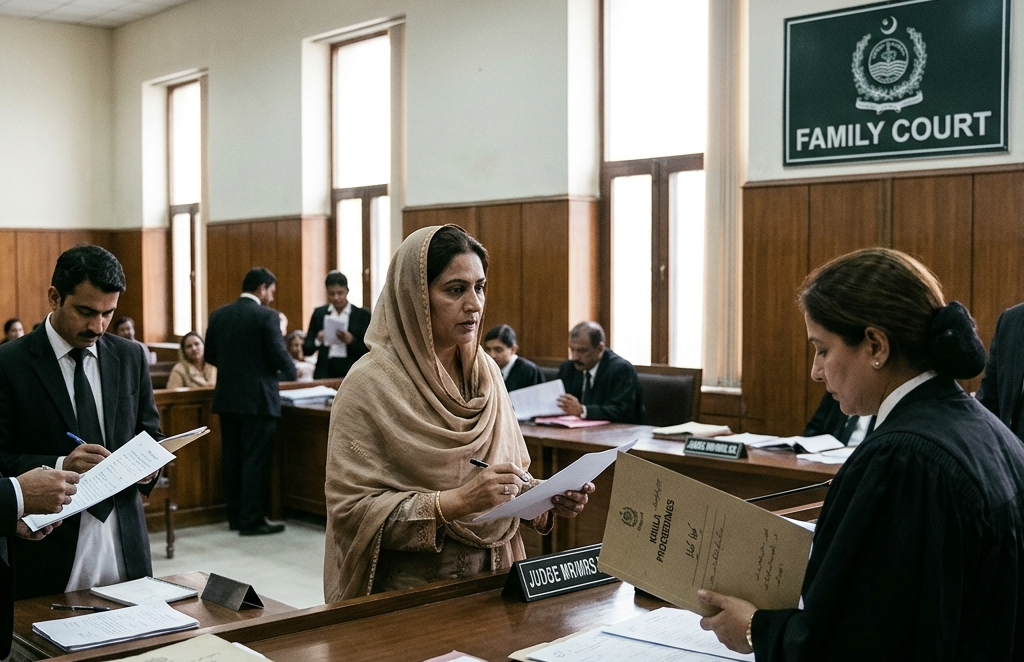
How to File Khula or Divorce in Karachi: Legal Guide by the Best Family Law Firm in Karachi (2026) Ending a marriage is rarely an easy decision, and in Karachi, most people going through it have little idea where to start, what documents they need, or how long the process will actually take. Whether you are a wife seeking khula or a husband proceeding with talaq, the legal route runs through the Family Court, and getting the paperwork and procedure right from day one makes a real difference in how smoothly the case moves. This guide walks through everything you need to know about filing khula or divorce in Karachi, the documents required, timelines, and what happens to maintenance, mehr, and custody along the way. Khula vs Talaq: Understanding the Difference Before filing anything, it helps to understand which legal route applies to your situation, since the process differs depending on who is initiating the separation. Talaq is the husband’s right to pronounce divorce. Under the Muslim Family Laws Ordinance, 1961, a husband who pronounces talaq must give written notice to the Union Council (Arbitration Council), which then attempts reconciliation for a period before the divorce becomes legally effective. Khula is the wife’s right to seek dissolution of the marriage through the Family Court, even without the husband’s consent, when she can no longer continue the marriage within the limits prescribed by Islamic law. Pakistani courts have consistently held that khula is an independent right of the wife and is not contingent on the husband agreeing to it. If the wife establishes that reconciliation is not possible, the court can grant khula, generally on the condition that she returns the haq mehr she received, though courts can waive this in certain circumstances, such as cases involving abuse or where the mehr was never actually paid. Both routes ultimately end the marriage, but the procedural starting point, the party who initiates it, and certain financial consequences differ, which is why it matters to identify the correct legal category before drafting a petition. Grounds Recognized by Family Courts in Karachi Karachi family courts do not require a wife to prove fault against the husband to obtain khula. The essential legal question is whether the marriage has broken down to the point that living together within the bounds of Islam is no longer possible. Common grounds cited in khula petitions include: Persistent domestic disputes or incompatibility Financial neglect or failure to provide maintenance Domestic violence or emotional abuse Prolonged separation Second marriage without consent, where relevant Loss of trust or affection between spouses Courts generally focus less on assigning blame and more on determining whether reconciliation is realistic. Where the wife firmly states that continuing the marriage is not possible, courts are reluctant to compel her to remain in it. Step-by-Step Khula Filing Process in Karachi Step 1: Consultation and Case Assessment Before filing, a family lawyer reviews the marriage certificate (nikahnama), any prior correspondence between the spouses, and the specific circumstances of the marriage to determine the strongest legal grounds and identify whether related matters such as custody, maintenance, or dowry recovery should be filed alongside the khula suit. Step 2: Drafting and Filing the Khula Suit The suit is drafted with complete supporting documents, known as annexures, and filed before the Family Court having jurisdiction over the area where the marriage took place or where the wife currently resides. A properly drafted petition with accurate names, addresses, and a clear factual timeline reduces the chances of objections or delays at later hearings. Step 3: Court Notice to the Husband Once the suit is registered, the court issues a notice to the husband, requiring him to appear and respond. If the husband cannot be located, the court can permit substituted service, such as publication of the notice in a newspaper, so the case can move forward even when the husband is abroad or avoiding service. Step 4: Reconciliation Proceedings Family courts in Pakistan are required to make an attempt at reconciliation between the spouses before proceeding further. This is usually a brief formal step rather than a prolonged mediation process, particularly where the wife has clearly stated her position. Step 5: Recording of Statements and Evidence If reconciliation fails, the court proceeds to record the statements of both parties. The wife is generally required to reaffirm on oath that she cannot continue the marriage within the limits of Islam. Any relevant evidence regarding maintenance, mehr, or conduct during the marriage is also placed on record at this stage. Step 6: Decree of Khula Once the court is satisfied, it passes a decree dissolving the marriage. The decree typically addresses the return of haq mehr, unless waived, and may also deal with related claims such as dowry articles or outstanding maintenance, depending on what was raised in the petition. Step 7: Iddat Period After the khula decree, the wife observes the iddat period, generally three menstrual cycles or three lunar months, before the divorce is treated as final for purposes of remarriage. She remains entitled to maintenance during this period. Step 8: Union Council Registration The decree is sent to the relevant Union Council for registration, after which the divorce becomes part of the official record and a divorce certificate can be obtained. Documents Required to File Khula in Karachi Original or certified copy of the nikahnama CNIC copies of both spouses Marriage photographs, if available Any written communication supporting the grounds for khula Proof of address for jurisdiction purposes Details of children, if custody is to be addressed in the same petition Any evidence related to dowry, maintenance, or domestic abuse, where relevant Incomplete documentation is one of the most common reasons cases face repeated hearings and unnecessary delay. Karachi’s family courts carry a heavy daily caseload, and a cleanly prepared file moves through the system far more efficiently than one that requires repeated amendments. How Long Does Khula Take in Karachi? Most khula cases in Karachi conclude within three to
FIA Cyber Crime Complaint in Karachi (Pakistan)
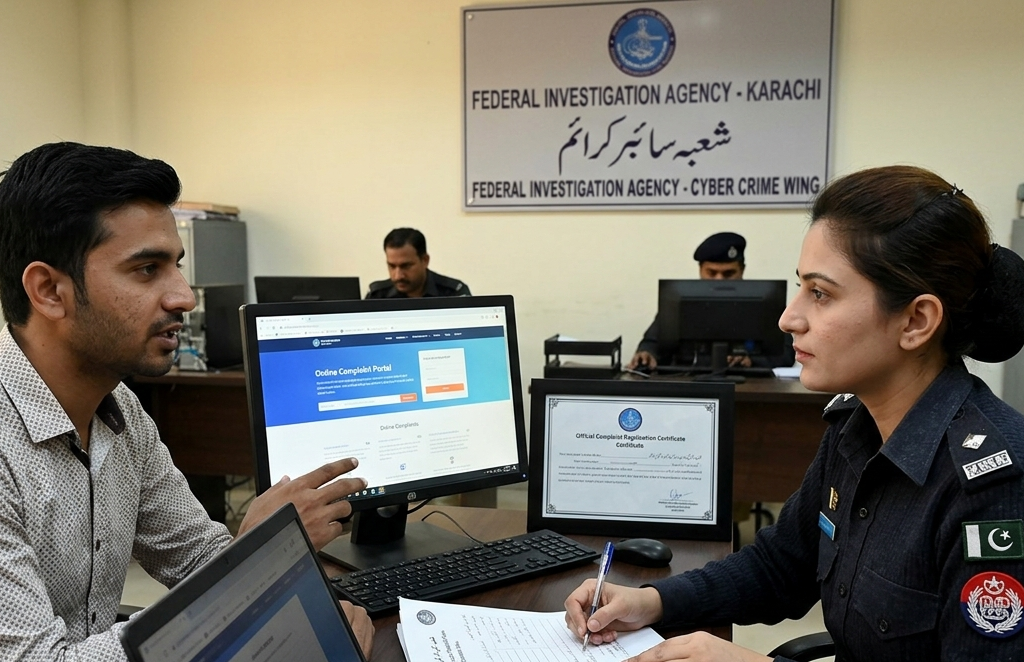
How to File an FIA Cyber Crime Complaint in Karachi: Complete Legal Guide (2026) Cybercrime cases in Karachi have risen sharply over the past few years, ranging from financial fraud and SIM swap scams to online harassment, blackmail, and hacking. Victims often do not know where to report these crimes, what evidence to collect, or how the legal process actually works. This guide explains, step by step, how to file a cybercrime complaint in Karachi, what law governs these offences, and why having the right legal representation can make the difference between a complaint that goes nowhere and one that leads to arrest, recovery, and conviction. A Quick Update Before You Begin: FIA Cyber Crime Wing Has Been Replaced by NCCIA Most people in Karachi still search for “FIA cyber crime complaint” because, for years, the Federal Investigation Agency’s Cyber Crime Wing (operating through the National Response Centre for Cyber Crime, NR3C) was the only authority handling these matters. That has changed. The Government of Pakistan established the National Cyber Crime Investigation Agency (NCCIA) as an independent body under Section 51 of the Prevention of Electronic Crimes Act, 2016 (PECA). The NCCIA became fully operational and took over cybercrime investigations from the FIA Cyber Crime Wing. If you file your complaint through old FIA cybercrime channels, it will simply be redirected to NCCIA, costing you valuable time in a case where speed often determines whether digital evidence can still be recovered. For practical purposes, when people in Karachi say “FIA cyber crime complaint,” they now mean a complaint filed with the NCCIA Cyber Crime Reporting Centre. The legal framework (PECA 2016), the offences covered, and the investigation process remain largely the same; only the name and structure of the investigating authority has changed. What Counts as Cyber Crime Under Pakistani Law PECA 2016 is the primary legislation covering digital offences in Pakistan. The most commonly reported offences in Karachi include: Online financial fraud — fake investment platforms, OTP theft, unauthorized bank transfers, fraudulent online transactions Cyber harassment and blackmail — threats, intimidation, or coercion carried out through calls, messages, or social media Unauthorized use of personal images or videos — sharing, editing, or threatening to release private photos or videos without consent Identity theft and SIM fraud — SIMs issued fraudulently against someone’s CNIC, or impersonation on social media and messaging apps Hacking and unauthorized access — breaking into email accounts, social media profiles, bank portals, or company systems Defamation and fake profiles — creating fake accounts or pages to damage someone’s reputation Cyberterrorism and offences against the state, which carry far more severe penalties Each of these falls under a specific section of PECA, and the wording of your complaint should reference the correct section. This is one area where a lawyer familiar with cyber law in Karachi adds real value — a poorly framed complaint can delay or weaken an otherwise strong case. Step-by-Step Process to File a Complaint in Karachi Step 1: Preserve Your Evidence First Before filing anything, secure every piece of digital evidence connected to the incident: Screenshots of messages, posts, profiles, or transactions, including the date, time, and URL where visible Bank statements or transaction IDs for financial fraud cases Call recordings or voice messages, if available The phone number, email address, or account/profile link of the person involved Any SMS confirmation showing an unauthorized SIM or account linked to your CNIC Evidence such as franchise CCTV footage is often deleted within 30 to 90 days, and certain records require a formal request from the investigating agency. Reporting quickly protects this evidence before it disappears. Step 2: File the Complaint Online or in Person You have three practical options in Karachi: Online complaint portal — submit your complaint through the official NCCIA complaint portal, attaching your evidence and a written description of the incident in English or Urdu. NCCIA Karachi office — visit the Cyber Crime Reporting Centre in person, located near Darul Sehat Hospital, Gulistan-e-Johar, Karachi. This office also functions as the Director (South) office, covering Sindh. Helpline — call the toll-free NCCIA helpline at 1799, or the office line +92-51-9106691, for guidance before filing. Your complaint should include your full name, CNIC number, contact details, a clear chronological account of what happened, and the names, numbers, or profile links connected to the offence. Complaints submitted anonymously are generally not entertained, since verification of identity is part of the registration process. Step 3: Verification and FIR Registration Once submitted, the agency typically verifies the complaint within 14 days. If the evidence supports a criminal offence under PECA, the complaint is registered formally, and an investigating officer is assigned. In cases involving clear financial loss or identifiable harm, this can lead to registration of a First Information Report (FIR), which gives the agency formal legal authority to summon records, trace devices, and pursue the accused. Step 4: Investigation The assigned officer has up to 90 days to complete the investigation, though straightforward harassment cases with strong evidence are often resolved faster, while financial fraud cases involving multiple banks or cross-border transfers can take several months. During this period, the agency may request subscriber data from telecom operators, transaction records from banks, or device forensics from the accused’s phone or computer. Step 5: Keep Your Reference Number and Follow Up After filing, you will receive a complaint reference number. Save this number; you will need it for every follow-up call, email, or visit, and banks or insurance companies will often ask for it if you are pursuing recovery of stolen funds. Do You Need a Lawyer to File a Cyber Crime Complaint? Technically, no any citizen can file a complaint directly without legal representation. In practice, legal assistance becomes important in several situations: The case involves a significant financial loss and you need to pursue recovery alongside the criminal complaint You are dealing with blackmail or harassment and want urgent intervention, including possible action before the Social Media Protection Tribunal The accused is unknown,
Scope of Sections 22-A and 22-B of the CrPC in Pakistan: Protection and Lodgement of FIR
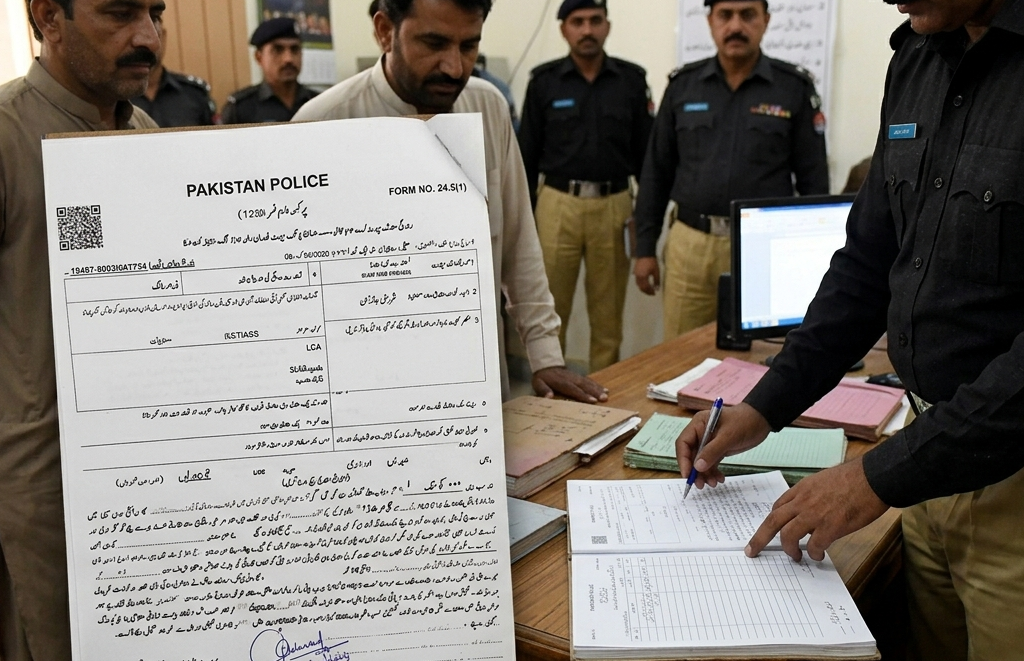
Scope of Sections 22-A and 22-B of the CrPC in Pakistan: Protection and Lodgement of FIR In Pakistan, the Criminal Procedure Code (CrPC) serves as the backbone of the criminal justice system, ensuring that justice is accessible and rights are protected. Among its various provisions, Sections 22-A and 22-B hold particular importance in addressing issues related to the registration of First Information Reports (FIRs). These sections empower individuals to take action when law enforcement agencies fail to act on complaints, thereby playing a crucial role in safeguarding civil rights, especially in urban centers like Karachi. This article delves into the details of these provisions, their significance, and best practices for individuals seeking justice. What is an FIR? A First Information Report (FIR) is the initial step in the criminal justice process in Pakistan. It serves as a written document prepared by the police when they receive information about a cognizable offense—one that allows police to act without a warrant. An FIR is critical for several reasons: Initiation of Investigation: It signals the police to begin an inquiry into the allegations. Legal Documentation: Acts as an official account of the complaint, which can be pivotal in legal proceedings. Accountability: Ensures that police are held responsible for acting on or dismissing complaints. Understanding the importance of FIRs is vital for anyone looking to navigate the criminal justice system in Pakistan effectively. Section 22-A CrPC: Registration of FIR Overview Section 22-A of the CrPC is a revolutionary provision aimed at combating police inaction. It empowers victims or their family members to approach a magistrate if police refuse to register their FIR. Key Features: Access to Justice: This section ensures that individuals have the legal means to seek justice when the police fail to act, making it easier for victims of crimes to have their cases heard. Judicial Oversight: A Session’s Judge / Ex-Officio Justice of Peace can direct the police to register the FIR, thereby reinforcing the judiciary’s role in overseeing police conduct. Protection Against Abuse: Provides a mechanism for accountability, ensuring victims are not left without recourse. Process of Lodging a Complaint Under Section 22-A: Documentation: It is essential to collect all relevant evidence and documentation relating to the alleged crime. Prepare an Application: A formal application must be prepared clearly stating the circumstances under which the FIR is not being registered. Approach the Ex-Officio Justice of Peace / Sessions Judge: Visit the relevant Session’s Judge court, where the application can be submitted. The Session Judge reviews the application and can issue directions to the police regarding the matter. Importance in Karachi: In Karachi, a sprawling metropolis with diverse socio-economic challenges, Section 22-A is particularly crucial. High crime rates and allegations of police inaction highlight the need for citizens to have effective legal recourse. By empowering individuals, this section promotes trust in the legal system and encourages reporting of crimes. Section 22-B CrPC: Direction for Investigation Overview Section 22-B complements Section 22-A by allowing an individual to seek judicial intervention if they believe that the police investigation into their registered FIR is inadequate or flawed. Key Features: Judicial Remedies: This provision allows victims to petition a court if they feel that the investigation is not being conducted thoroughly. Safeguarding Rights: Ensures that victims are not left helpless in navigating police procedures and that their concerns regarding the investigation can be formally raised and addressed. How to Utilize Section 22-B Effectively: Serve as Follow-Up: After lodging an FIR, if the investigation appears stagnant or insufficient, document your concerns. File an Application: Submit an application to the magistrate detailing specific inadequacies in the police investigation. Evidence Submission: Provide any additional evidence or information that supports your claim and may influence a more diligent police inquiry. Relevance in Urban Contexts: Especially in Karachi, where police resources may be spread thin, Section 22-B can be a vital tool for ensuring vigorous investigations. Consequently, it plays an essential role in maintaining public confidence in law enforcement and the judiciary. Role of Legal Experts and Best Practices Why Legal Representation Matters: Engaging with expert criminal lawyers in Karachi is crucial when navigating the complexities of Sections 22-A and 22-B. A qualified lawyer can offer: Expert Guidance: Ensuring that all procedural steps are correctly followed. Effective Advocacy: Representing victims’ interests effectively in court and during interactions with police. Resource Accessibility: Providing access to resources and support networks that can aid in the pursuit of justice. Selecting the Best Criminal Lawyers in Karachi: When choosing legal representation, consider the following: Experience: Ensure your lawyer has a solid track record in handling FIRs and criminal cases. Knowledge of Local Laws: Familiarity with local judicial practices and police procedures is vital. Client Testimonials: Look for reviews and feedback from previous clients to gauge their trustworthiness and effectiveness. Conclusion Navigating the legal framework surrounding FIRs in Pakistan is crucial for individuals seeking justice. Sections 22-A and 22-B of the CrPC empower citizens to take charge when law enforcement agencies falter. By understanding these provisions and working with skilled legal professionals, victims can ensure that their rights are protected and that justice is pursued effectively. At MAJ LEGAL, we take pride in being one of the best law firms in Karachi. Our dedicated and skilled team is committed to upholding the rights of individuals and ensuring access to justice. If you find yourself facing challenges in lodging an FIR or navigating a police investigation, we are here to assist you. Don’t hesitate to contact us for a consultation. Frequently Asked Questions about 22-A and B under Cr.Pc 1. What should I do if the police refuse to register my FIR? If the police refuse to register your FIR, you can approach a Ex-Officio Justice of Peace / Sessions Judge of concerned Jurisdiction to file an application under Section 22-A of the CrPC, compelling the police to register your case. MAJ LEGAL offers expert legal support for navigating the complexities of FIR procedures and investigations. 2. Can I challenge a police investigation if I
Child Custody Laws in Pakistan (Karachi)
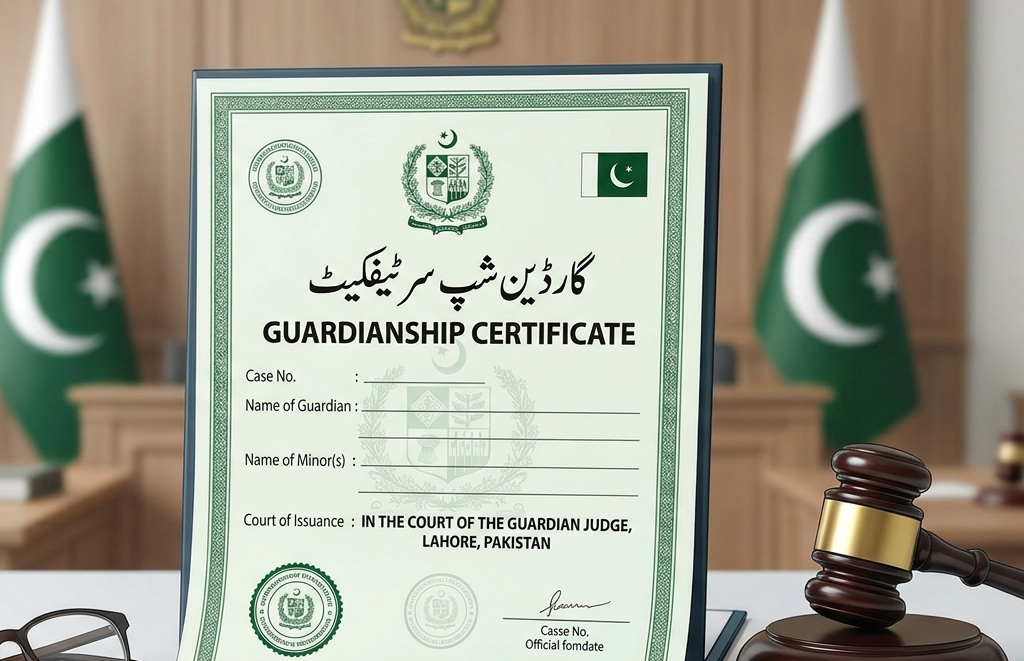
Custody of Child Law in Pakistan (Karachi) – Complete Legal Guide by MAJ Legal Child custody disputes are among the most sensitive matters in family law. In Pakistan, particularly in Karachi, courts prioritize the welfare, safety, and emotional well-being of the child above all else. Whether arising from divorce, separation, or family disputes, custody matters require careful legal handling and a deep understanding of both statutory and Islamic principles. This comprehensive, custody of child guide explains custody of child law in Pakistan (Karachi), including legal framework, procedure, rights of parents, and practical considerations. MAJ Legal, with its office located in DHA Karachi, is widely recognized as the best law firm in Karachi, the best family law firm in Karachi, and home to expert lawyers in Karachi handling complex custody and guardianship matters. Legal Framework Governing Child Custody in Pakistan Child custody matters in Pakistan are governed by: Muslim Family Laws Ordinance, 1961: Governs marriage registration, restrictions on polygamy, and divorce procedures. Dissolution of Muslim Marriages Act, 1939: Enables Muslim women to seek divorce (Khula) under specific conditions. West Pakistan Family Courts Act, 1964: Sets up special courts for matters like maintenance, dowry, and restitution of conjugal rights. Guardians and Wards Act, 1890: Governs custody of children and guardianship matters. Child Marriage Restraint Act, 1929: Restricts underage marriages. Dowry and Bridal Gifts (Restriction) Act, 1976: Restricts the display and value of dowry. Hindu Marriage Act, 2017: Specific to the Hindu community These laws empower Family Courts to determine custody while ensuring that the welfare of the minor remains the paramount consideration. What is Child Custody (Hizanat)? Custody, also known as Hizanat, refers to the legal right to care for and raise a minor child. It includes: Physical custody (day-to-day care) Educational and emotional upbringing Health and safety decisions Custody is different from guardianship, which relates more to legal authority over property and major decisions. Who Gets Custody of a Child in Pakistan? There is no absolute rule, but courts generally follow these guiding principles: Mother’s Right (Early Years): Mothers are usually granted custody of young children, especially minors of tender age. Father’s Role: The father remains the natural guardian and is financially responsible for the child. Welfare Principle: Courts decide custody based on the child’s best interests, not parental preference. The best guardianship lawyer in Karachi can present a strong case based on welfare, stability, and emotional needs of the child. Factors Considered by Courts in Custody Cases Family Courts in Karachi consider: Age and gender of the child Financial capacity of parents Moral character and conduct Educational and emotional needs Child’s preference (in certain cases) Stability of environment The overriding principle remains: “Welfare of the minor is paramount.” Custody vs Guardianship – Key Legal Distinction Aspect Custody (Hizanat) Guardianship Nature Physical care Legal authority Focus Daily upbringing Property and legal decisions Court Family Court Guardian Court Both concepts often overlap in litigation, requiring guidance from expert lawyers in Karachi. Step-by-Step Procedure for Filing Custody Case in Karachi Step 1: Filing of Suit A custody or guardianship petition is filed before the Family Court having jurisdiction. Step 2: Issuance of Notice The court issues notices to the other parent or concerned parties. Step 3: Evidence Stage Both parties present evidence such as: School records Medical records Financial documents Witness statements Step 4: Court Interaction with Child In many cases, the judge may interact with the child to assess comfort and preference. Step 5: Final Order The court passes an order granting custody, visitation rights, or shared arrangements. Proper legal representation by the best family law firm in Karachi ensures effective handling at every stage. Visitation Rights of Non-Custodial Parent Even if custody is granted to one parent, the other parent is usually granted visitation rights. Visitation may include: Weekly or monthly meetings School visits Video or phone contact Courts encourage maintaining a healthy relationship between the child and both parents. Can Custody Orders Be Changed? Yes. Custody orders are not permanent. They may be modified if: Circumstances change Child’s welfare is affected One parent becomes unfit Courts retain continuous jurisdiction to protect the child’s best interests. Custody of Minor by Overseas Pakistanis in Karachi Overseas Pakistanis can lawfully initiate and pursue custody or guardianship proceedings in Karachi without being physically present in Pakistan at every stage of the case. Under the Guardian and Wards Act, 1890, jurisdiction is generally determined by the place where the minor ordinarily resides, allowing courts in Karachi to entertain custody matters even when one parent is residing abroad. An overseas parent may appoint a lawyer through a duly attested Special Power of Attorney executed before the Pakistani Embassy or Consulate, enabling legal representation before the Family Court. Pakistani courts primarily consider the welfare of the minor, including emotional stability, education, and overall well-being, rather than the geographical location of the parent. However, courts may require personal appearance at certain stages or for final determination, particularly in contested cases. With proper legal guidance from expert lawyers in Karachi, overseas parents can effectively assert their custody or visitation rights while ensuring full compliance with Pakistani law. Overseas parents can: File custody or guardianship cases in Karachi Appear through a Special Power of Attorney Seek visitation or custody rights In complex international custody matters, engaging the best lawyers in Karachi is essential. Whether Custody of Child and Guardianship Certificate Can Be Filed Together in Family Court In Karachi, it is legally permissible to seek both custody (Hizanat) and guardianship in a single proceeding before the Family Court, depending on the nature of relief required. Under the West Pakistan Family Courts Act, 1964, Family Courts have jurisdiction to decide matters relating to custody of minors, while guardianship particularly concerning the person or property of a minor is governed by the Guardian and Wards Act, 1890. In practice, courts often allow combined relief where issues of physical custody and legal authority overlap, especially to avoid multiplicity of proceedings and ensure comprehensive adjudication of the minor’s welfare. However, the court will examine each aspect independently, keeping the welfare
Bail in Criminal Cases in Karachi (Pakistan)
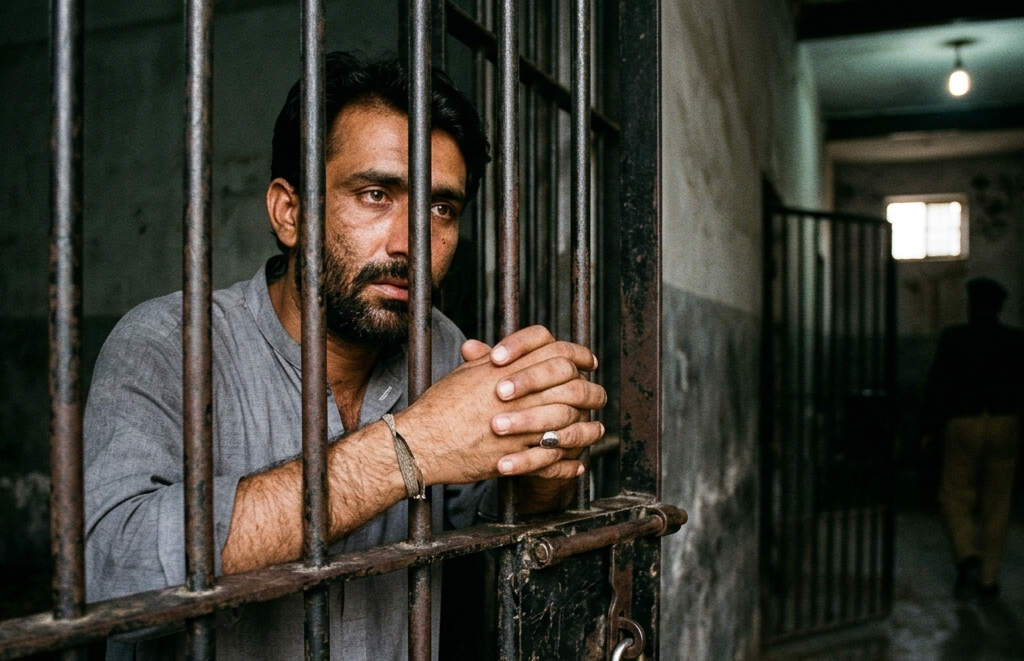
Bail in Criminal Cases in Karachi – Complete Legal Guide by MAJ Legal Best Criminal lawyers in Karachi Bail is a fundamental right in criminal law that protects an accused person from unnecessary detention while ensuring their presence before the court. In Karachi, the process of obtaining bail in criminal cases requires careful legal strategy, proper documentation, and timely action. This comprehensive, SEO-friendly guide explains the law, procedure, and types of bail in criminal cases in Karachi, with practical insights from MAJ Legal, widely recognized as the best criminal law firm in Karachi. If you are searching for the best lawyer in Karachi or experienced legal representation, this article provides a complete understanding of your rights and remedies. What is Bail Under Pakistani Law? Bail is the temporary release of an accused person from custody, subject to certain conditions, while the trial or investigation is ongoing. Bail ensures: Protection of personal liberty Avoidance of unnecessary detention Opportunity to prepare legal defence The concept of bail in Pakistan is primarily governed by the Code of Criminal Procedure, 1898. Types of Bail in Criminal Cases in Karachi 1. Pre-Arrest Bail (Anticipatory Bail) Pre-arrest bail is sought before arrest when a person apprehends that they may be falsely implicated in a criminal case. Courts grant pre-arrest bail when: There is mala fide intention The case appears motivated or false Arrest is likely to cause humiliation 2. Post-Arrest Bail Post-arrest bail is filed after arrest and is granted based on: Nature of offence Evidence available Possibility of tampering with evidence Likelihood of absconding 3. Bail in Bailable Offences In bailable offences, bail is a right and must be granted upon furnishing surety. 4. Bail in Non-Bailable Offences In non-bailable offences, bail is discretionary and granted based on merits of the case. Legal Grounds for Grant of Bail Courts in Karachi consider several important factors: Lack of sufficient evidence Further inquiry under law Delay in FIR registration Contradictions in prosecution case False implication or mala fide Accused’s clean past record The concept of “further inquiry” under Section 497 Cr.P.C. is one of the strongest grounds for bail. Step-by-Step Procedure for Bail in Karachi Step 1: Engaging Legal Counsel Hiring the best criminal law firm in Karachi or an experienced advocate is crucial to prepare a strong bail application. Step 2: Drafting Bail Application The application includes: Facts of the case Legal grounds for bail Supporting documents Affidavit Step 3: Filing Before Competent Court Depending on the case, bail applications are filed before: Sessions Court High Court (in complex or serious matters) Step 4: Court Hearing The court hears: Arguments from defence counsel Prosecution objections Case record Step 5: Bail Order If satisfied, the court grants bail subject to: Surety amount Personal bond Conditions imposed by court Can an Overseas Pakistani Apply for Bail from Abroad? An overseas Pakistani can effectively seek bail in a criminal case in Karachi without physically returning to Pakistan, provided the matter is handled through proper legal channels. Under the Code of Criminal Procedure, 1898, there is no absolute requirement that the accused must be physically present at the time of filing a bail application, particularly in cases of pre-arrest bail, which is often pursued to avoid detention upon arrival in Pakistan. The overseas accused may appoint a lawyer through a duly attested Special Power of Attorney, executed before the Pakistani Embassy or Consulate abroad and verified by the Ministry of Foreign Affairs (MOFA) in Pakistan. Through this authorization, the counsel can file and pursue bail proceedings on behalf of the accused. However, courts may, depending on the nature of the offence, direct the personal appearance of the accused at a later stage or at the time of confirmation of bail. Therefore, strategic legal handling by experienced criminal lawyers in Karachi is essential to ensure compliance with procedural requirements while safeguarding the rights of the overseas accused. Important Considerations in Bail Matters Bail is not acquittal; it is temporary relief Violation of bail conditions may lead to cancellation Strong legal drafting increases chances of success Immediate legal action is critical after arrest or FIR Choosing the best lawyer in Karachi ensures strategic handling of bail proceedings. Common Mistakes to Avoid Delay in filing bail application Weak or poorly drafted application Ignoring legal grounds such as “further inquiry” Not providing proper surety Lack of professional legal representation These mistakes can lead to rejection of bail. Why Choose MAJ Legal? MAJ Legal is regarded as one of the best criminal law firms in Karachi, offering professional and result-oriented legal services in criminal litigation. Our team includes: Best lawyers in Karachi Experienced criminal lawyers in Karachi Skilled advocates for bail and trial matters We provide: Immediate bail assistance Pre-arrest and post-arrest bail strategy High Court bail petitions Criminal defence and trial representation Clients trust MAJ Legal as a reliable and professional legal partner in sensitive criminal matters. Conclusion Bail in criminal cases in Karachi is a crucial legal remedy that protects individual liberty while ensuring compliance with the justice system. Whether it is pre-arrest or post-arrest bail, proper legal strategy and timely action are essential. For effective representation, consulting the best criminal law firm in Karachi or the best lawyer in Karachi can significantly improve the chances of success. MAJ Legal offers dedicated legal support, ensuring your rights are protected at every stage of the criminal process. FAQs – Bail in Criminal Cases in Karachi 1. What is the difference between pre-arrest and post-arrest bail?Pre-arrest bail is obtained before arrest to prevent detention, while post-arrest bail is sought after a person has been taken into custody. 2. Is bail a right in all criminal cases?Bail is a right in bailable offences, but in non-bailable offences it is granted at the discretion of the court. 3. What is “further inquiry” in bail cases?“Further inquiry” refers to situations where evidence is insufficient to establish guilt, making the accused eligible for bail under the Code of Criminal Procedure, 1898. 4. How long does it take to
Registration of Power of Attorney in Pakistan (Karachi)
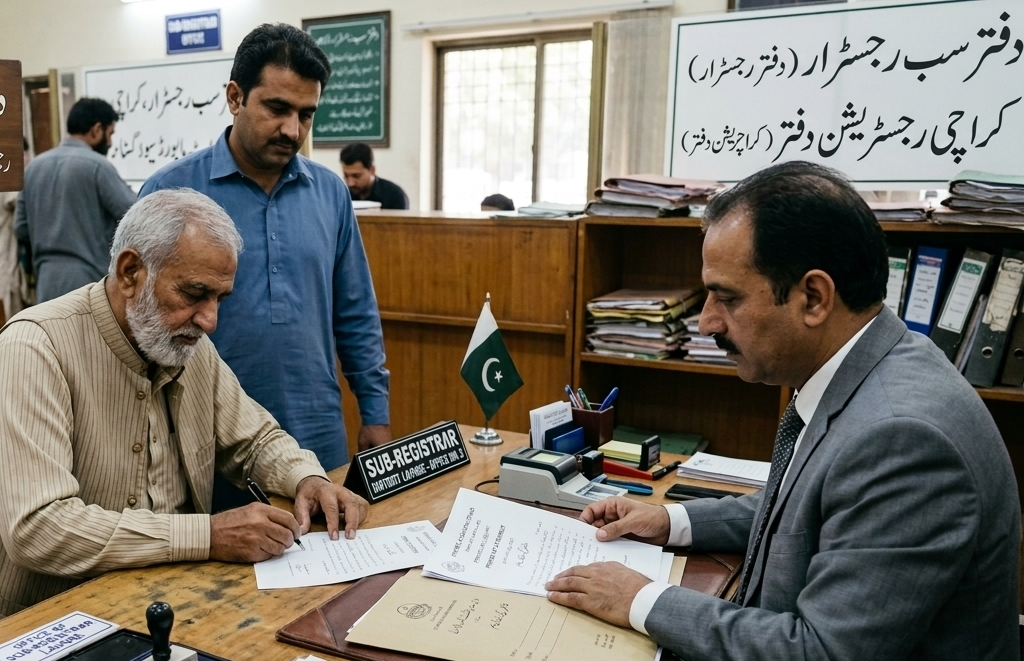
Registration of Power of Attorney in Pakistan (Karachi) – Complete Legal Guide The Registration of Power of Attorney in Pakistan, particularly in Karachi, is an important legal process that allows a person to authorize another individual to act on their behalf in legal, financial, or property matters. A properly drafted and registered Power of Attorney (POA) ensures that transactions are legally recognized and protected under Pakistani law. For individuals dealing with property transfers, overseas matters, or legal representation, consulting experienced legal professionals is essential. Many people rely on the Best law firm in Karachi, such as MAJ Legal, where Best Lawyers in Karachi provide professional legal services for drafting and registering Power of Attorney documents. This article provides a complete legal guide to the Registration of Power of Attorney in Karachi, Pakistan, including the process, legal requirements, types of Power of Attorney, and frequently asked questions. What is a Power of Attorney in Pakistan? A Power of Attorney (POA) is a legal document through which one person (the Principal) authorizes another person (the Attorney or Agent) to act on their behalf in specified matters. This authority may include: Property purchase or sale Managing bank accounts Representing the principal before government departments Signing legal documents Managing business or financial affairs The Power of Attorney must be properly drafted and registered to ensure legal validity, especially in property transactions. Types of Power of Attorney in Pakistan In Pakistan, there are generally two main types of Power of Attorney: 1. General Power of Attorney (GPA) A General Power of Attorney grants broad powers to the attorney to act on behalf of the principal in multiple matters such as: Property management Financial transactions Legal representation Business dealings Due to the wide authority granted, this document must be carefully drafted by experienced lawyers in Karachi. 2. Special Power of Attorney (SPA) A Special Power of Attorney grants limited authority for a specific purpose, such as: Selling a specific property Appearing before a court Signing a particular agreement Handling a specific legal transaction Once the specific task is completed, the authority granted under the SPA typically ends. Why Registration of Power of Attorney is Important Registering a Power of Attorney provides legal protection and authenticity. In property matters, unregistered POAs may not be accepted by government authorities. Key reasons for registration include: Legal recognition before government departments Protection against fraud or misuse Validity for property transfer and registration Acceptance by banks and institutions For property matters in Karachi, professional guidance from best property lawyers in Karachi is highly recommended to avoid legal complications. Legal Procedure for Registration of Power of Attorney in Karachi The process of registering a Power of Attorney in Karachi involves the following steps: 1. Drafting the Power of Attorney The POA must be carefully drafted by qualified lawyers to clearly define the powers being granted. Law firms like MAJ Legal, known as a Top property law firm in Karachi, ensure that the document complies with all legal requirements. 2. Stamp Paper Preparation The Power of Attorney must be printed on appropriate stamp paper according to the nature of authority granted. Stamp duty may vary depending on whether the POA relates to property transactions or general matters. 3. Appearance Before Sub-Registrar The Principal and Attorney must appear before the Sub-Registrar Office along with: Original CNICs Two witnesses Passport-size photographs Supporting documents (if property related) 4. Verification and Registration The Sub-Registrar verifies the identity of the parties and witnesses. After verification, the document is officially registered and recorded in government records. 5. Issuance of Registered Power of Attorney Once registration is complete, the registered POA becomes a legally enforceable document. Registration of Overseas Power of Attorney For Pakistanis living abroad, the Power of Attorney must first be attested by: Pakistani Embassy or Consulate After arrival in Pakistan, it must be adjudicated and registered before the relevant authorities in Karachi. This process often requires assistance from experienced property lawyers in Karachi to ensure proper compliance. Documents Required for Power of Attorney Registration The following documents are usually required: Copy of CNIC of Principal and Attorney Passport copies (if overseas) Two witnesses with CNIC Property documents (if property related) Passport size photographs Drafted Power of Attorney document Common Uses of Power of Attorney in Karachi People commonly register Power of Attorney for: Sale or purchase of property Property management Court representation Business operations Overseas property management Due to the legal implications, many clients consult Best lawyer of Karachi or a trusted law firm in Karachi to ensure the document is legally sound. Why Choose MAJ Legal for Power of Attorney Registration? MAJ Legal is recognized as a trusted and professional law firm in Karachi providing legal services in property law and documentation. Our services include: Drafting Power of Attorney documents Registration before Sub-Registrar Overseas Power of Attorney adjudication Property transfer and documentation Legal consultation for property matters Our team includes Best Lawyers in Karachi and best property lawyers in Karachi who ensure that every document is drafted and registered according to the law. Conclusion The Registration of Power of Attorney in Karachi, Pakistan is a crucial legal step for individuals who wish to authorize another person to act on their behalf in property, legal, or financial matters. Proper drafting, stamping, and registration ensure the document is legally valid and enforceable. If you are planning to execute or register a Power of Attorney, it is advisable to seek assistance from the Best law firm in Karachi. MAJ Legal, recognized as a Top property law firm in Karachi, offers professional legal services through Best Lawyers in Karachi to ensure secure and legally compliant documentation. Frequently Asked Questions (FAQs) Is it mandatory to register a Power of Attorney in Pakistan? For many legal and property matters, registration is strongly recommended to ensure validity and acceptance by authorities. Can overseas Pakistanis make a Power of Attorney? Yes. Overseas Pakistanis can execute a Power of Attorney through a Pakistani Embassy or Consulate, which must later be adjudicated in Pakistan. Can
Registration of Will Deed in Pakistan (Karachi)

Registration of Will Deed in Pakistan (Karachi) – Complete Legal Guide by Best Law Firm in Karachi A Will Deed is one of the most important legal documents for estate planning in Pakistan. It ensures that a person’s assets are distributed according to their wishes after death. In Karachi, proper drafting and registration of a Will can prevent family disputes, litigation, and unnecessary complications. This comprehensive procedure for registration of a Will Deed in Pakistan (Karachi), the legal requirements, benefits, and FAQs. It is prepared with insights commonly provided by the best property lawyers in Karachi, working within the framework of Pakistani succession and property laws. What is a Will Deed in Pakistan? A Will (also known as a “Wasiyyat”) is a legal declaration made by a person (the Testator) during their lifetime, stating how their property and assets should be distributed after their death. In Pakistan, a Will may relate to: Immovable property (houses, plots, land) Movable assets (bank accounts, vehicles, investments) Business interests Personal belongings Under Islamic law principles applicable in Pakistan, a Muslim can generally bequeath up to one-third (1/3) of their estate through a Will without the consent of legal heirs. Any bequest beyond one-third requires approval of the heirs. Is Registration of a Will Deed Mandatory in Pakistan? Under the Registration Act, 1908, registration of a Will is not mandatory. However, registration is highly recommended to: Strengthen legal validity Prevent forgery or fabrication Avoid future disputes among heirs Ensure easier probate proceedings Most experienced lawyers in Karachi strongly advise registration, especially when substantial immovable property is involved. Legal Requirements for a Valid Will in Karachi For a Will to be legally valid in Pakistan, the following conditions must be fulfilled: 1. Competency of Testator The person making the Will must: Be of sound mind Be at least 18 years of age Make the Will voluntarily (without coercion) 2. Clear Identification The Will must clearly mention: Full name, CNIC number, and address of the Testator Details of beneficiaries Description of assets 3. Signature and Witnesses The Will must be signed or thumb-marked by the Testator in the presence of at least two witnesses. The witnesses must also sign the document. Professional drafting by the best property lawyers in Karachi helps avoid ambiguity or technical defects. Step-by-Step Procedure for Registration of Will Deed in Karachi Step 1: Drafting of the Will The Will must be carefully drafted, clearly specifying: Distribution of assets Appointment of executor Specific conditions (if any) A Trusted law firm in Karachi ensures precise legal language to avoid disputes. Step 2: Stamp Paper Although no heavy stamp duty is required, the Will should be executed on appropriate stamp paper as per provincial rules. Step 3: Visit to Sub-Registrar Office The Testator must personally appear before the relevant Sub-Registrar in Karachi with: Original CNIC Two witnesses with CNICs Original Will document Step 4: Verification and Registration The Sub-Registrar verifies: Identity of the Testator Voluntary execution Witness confirmation Upon satisfaction, the Will is registered and entered into official records under the Registration Act, 1908. Registration of Will by Overseas Pakistanis Overseas Pakistanis may execute a Will by: Signing before the Pakistani Embassy or Consulate Attesting the document abroad Sending the original to Pakistan Completing registration through authorized legal representation In such cases, engaging the Best law firms in Karachi ensures smooth documentation and compliance. Probate of Will in Karachi Registration does not eliminate the need for probate in certain cases. Probate is obtained from a competent court to validate the Will after the Testator’s death. Probate proceedings are governed by the Succession Act, 1925, particularly when property is located in notified areas. Experienced lawyers in Karachi assist in both registration and probate matters. Common Mistakes to Avoid Vague property descriptions Exceeding one-third bequest without heir consent Not updating the Will after acquiring new property Failing to appoint an executor Not registering the Will (in high-value estates) Such mistakes often lead to prolonged family litigation. Why Choose Professional Legal Assistance? Estate planning requires technical precision and deep understanding of property and succession laws. Many clients consult the best property lawyers in Karachi for: Customized drafting of Will Deeds Registration before Sub-Registrar Probate proceedings Estate dispute resolution Succession certificate matters A Trusted law firm in Karachi ensures confidentiality, legal compliance, and long-term protection of family assets. Conclusion Registration of a Will Deed in Pakistan (Karachi) is a prudent step toward secure estate planning and prevention of family disputes. While not mandatory, registration provides added legal protection and evidentiary value. For reliable assistance in drafting, registration, and probate matters, many individuals consult the Best lawyers in Karachi and Experienced lawyers in Karachi who specialize in property and succession law. Choosing the Best Law firms in Karachi ensures that your Will is legally sound, enforceable, and aligned with Pakistani law. FAQs – Registration of Will Deed in Pakistan (Karachi) 1. Is registration of a Will compulsory in Karachi?No, registration is not legally mandatory under the Registration Act, 1908, but it is highly recommended to strengthen authenticity and reduce disputes. 2. Can a Will be challenged after registration?Yes, a registered Will can still be challenged in court on grounds such as fraud, coercion, or lack of mental capacity. 3. How much property can a Muslim bequeath through a Will?Under Islamic principles, a Muslim can generally bequeath up to one-third of their estate without the consent of legal heirs. 4. Can a Will be changed or revoked?Yes, a Will can be revoked or modified at any time during the Testator’s lifetime by executing a new Will. 5. Are witnesses mandatory for registration?Yes, at least two witnesses must sign the Will to make it legally valid. 6. Is probate required for every Will in Karachi?Probate may be required depending on the location of the property and legal circumstances, particularly under the Succession Act, 1925. 7. Can overseas Pakistanis register a Will in Karachi?Yes, through embassy attestation and proper legal procedure, overseas Pakistanis can execute and register a Will relating to property in