
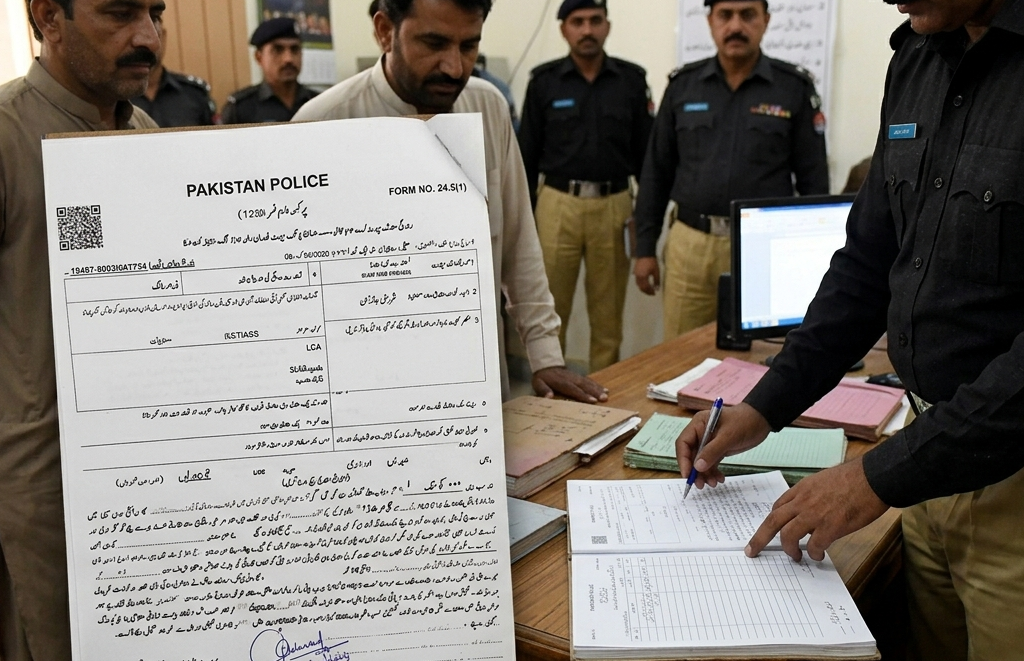
Scope of Sections 22-A and 22-B of the CrPC in Pakistan: Protection and Lodgement of FIR
In Pakistan, the Criminal Procedure Code (CrPC) serves as the backbone of the criminal justice system, ensuring that justice is accessible and rights are protected. Among its various provisions, Sections 22-A and 22-B hold particular importance in addressing issues related to the registration of First Information Reports (FIRs). These sections empower individuals to take action when law enforcement agencies fail to act on complaints, thereby playing a crucial role in safeguarding civil rights, especially in urban centers like Karachi. This article delves into the details of these provisions, their significance, and best practices for individuals seeking justice.
What is an FIR?
A First Information Report (FIR) is the initial step in the criminal justice process in Pakistan. It serves as a written document prepared by the police when they receive information about a cognizable offense—one that allows police to act without a warrant. An FIR is critical for several reasons:
- Initiation of Investigation: It signals the police to begin an inquiry into the allegations.
- Legal Documentation: Acts as an official account of the complaint, which can be pivotal in legal proceedings.
- Accountability: Ensures that police are held responsible for acting on or dismissing complaints.
Understanding the importance of FIRs is vital for anyone looking to navigate the criminal justice system in Pakistan effectively.
Section 22-A CrPC: Registration of FIR
Overview
Section 22-A of the CrPC is a revolutionary provision aimed at combating police inaction. It empowers victims or their family members to approach a magistrate if police refuse to register their FIR.
Key Features:
- Access to Justice: This section ensures that individuals have the legal means to seek justice when the police fail to act, making it easier for victims of crimes to have their cases heard.
- Judicial Oversight: A Session’s Judge / Ex-Officio Justice of Peace can direct the police to register the FIR, thereby reinforcing the judiciary’s role in overseeing police conduct.
- Protection Against Abuse: Provides a mechanism for accountability, ensuring victims are not left without recourse.
Process of Lodging a Complaint Under Section 22-A:
- Documentation: It is essential to collect all relevant evidence and documentation relating to the alleged crime.
- Prepare an Application: A formal application must be prepared clearly stating the circumstances under which the FIR is not being registered.
- Approach the Ex-Officio Justice of Peace / Sessions Judge: Visit the relevant Session’s Judge court, where the application can be submitted. The Session Judge reviews the application and can issue directions to the police regarding the matter.
Importance in Karachi:
In Karachi, a sprawling metropolis with diverse socio-economic challenges, Section 22-A is particularly crucial. High crime rates and allegations of police inaction highlight the need for citizens to have effective legal recourse. By empowering individuals, this section promotes trust in the legal system and encourages reporting of crimes.
Section 22-B CrPC: Direction for Investigation
Overview
Section 22-B complements Section 22-A by allowing an individual to seek judicial intervention if they believe that the police investigation into their registered FIR is inadequate or flawed.
Key Features:
- Judicial Remedies: This provision allows victims to petition a court if they feel that the investigation is not being conducted thoroughly.
- Safeguarding Rights: Ensures that victims are not left helpless in navigating police procedures and that their concerns regarding the investigation can be formally raised and addressed.
How to Utilize Section 22-B Effectively:
- Serve as Follow-Up: After lodging an FIR, if the investigation appears stagnant or insufficient, document your concerns.
- File an Application: Submit an application to the magistrate detailing specific inadequacies in the police investigation.
- Evidence Submission: Provide any additional evidence or information that supports your claim and may influence a more diligent police inquiry.
Relevance in Urban Contexts:
Especially in Karachi, where police resources may be spread thin, Section 22-B can be a vital tool for ensuring vigorous investigations. Consequently, it plays an essential role in maintaining public confidence in law enforcement and the judiciary.
Role of Legal Experts and Best Practices
Why Legal Representation Matters:
Engaging with expert criminal lawyers in Karachi is crucial when navigating the complexities of Sections 22-A and 22-B. A qualified lawyer can offer:
- Expert Guidance: Ensuring that all procedural steps are correctly followed.
- Effective Advocacy: Representing victims’ interests effectively in court and during interactions with police.
- Resource Accessibility: Providing access to resources and support networks that can aid in the pursuit of justice.
Selecting the Best Criminal Lawyers in Karachi:
When choosing legal representation, consider the following:
- Experience: Ensure your lawyer has a solid track record in handling FIRs and criminal cases.
- Knowledge of Local Laws: Familiarity with local judicial practices and police procedures is vital.
- Client Testimonials: Look for reviews and feedback from previous clients to gauge their trustworthiness and effectiveness.
Conclusion
Navigating the legal framework surrounding FIRs in Pakistan is crucial for individuals seeking justice. Sections 22-A and 22-B of the CrPC empower citizens to take charge when law enforcement agencies falter. By understanding these provisions and working with skilled legal professionals, victims can ensure that their rights are protected and that justice is pursued effectively.
At MAJ LEGAL, we take pride in being one of the best law firms in Karachi. Our dedicated and skilled team is committed to upholding the rights of individuals and ensuring access to justice. If you find yourself facing challenges in lodging an FIR or navigating a police investigation, we are here to assist you. Don’t hesitate to contact us for a consultation.
Frequently Asked Questions about 22-A and B under Cr.Pc
1. What should I do if the police refuse to register my FIR?
If the police refuse to register your FIR, you can approach a Ex-Officio Justice of Peace / Sessions Judge of concerned Jurisdiction to file an application under Section 22-A of the CrPC, compelling the police to register your case. MAJ LEGAL offers expert legal support for navigating the complexities of FIR procedures and investigations.
2. Can I challenge a police investigation if I believe it is flawed?
Yes, you can challenge a police investigation by filing an application under Section 22-B. This allows the court to review the police’s actions regarding your case.
3. How important is legal representation in these matters?
Having legal representation is crucial as it can significantly impact the outcome of your case. Experienced lawyers can help ensure that your rights are protected and that your case is handled effectively.
4. What is the role of a Ex-Officio Justice of Peace in the FIR process?
A Ex-Officio Justice of Peace plays an essential role in overseeing police conduct. They can compel police to register FIRs and can intervene if an investigation is not progressing satisfactorily.
5. How can MAJ LEGAL assist me?
MAJ LEGAL offers expert legal support for navigating the complexities of FIR procedures and investigations. Our commitment is to advocate for your rights and achieve just outcomes on your behalf.